




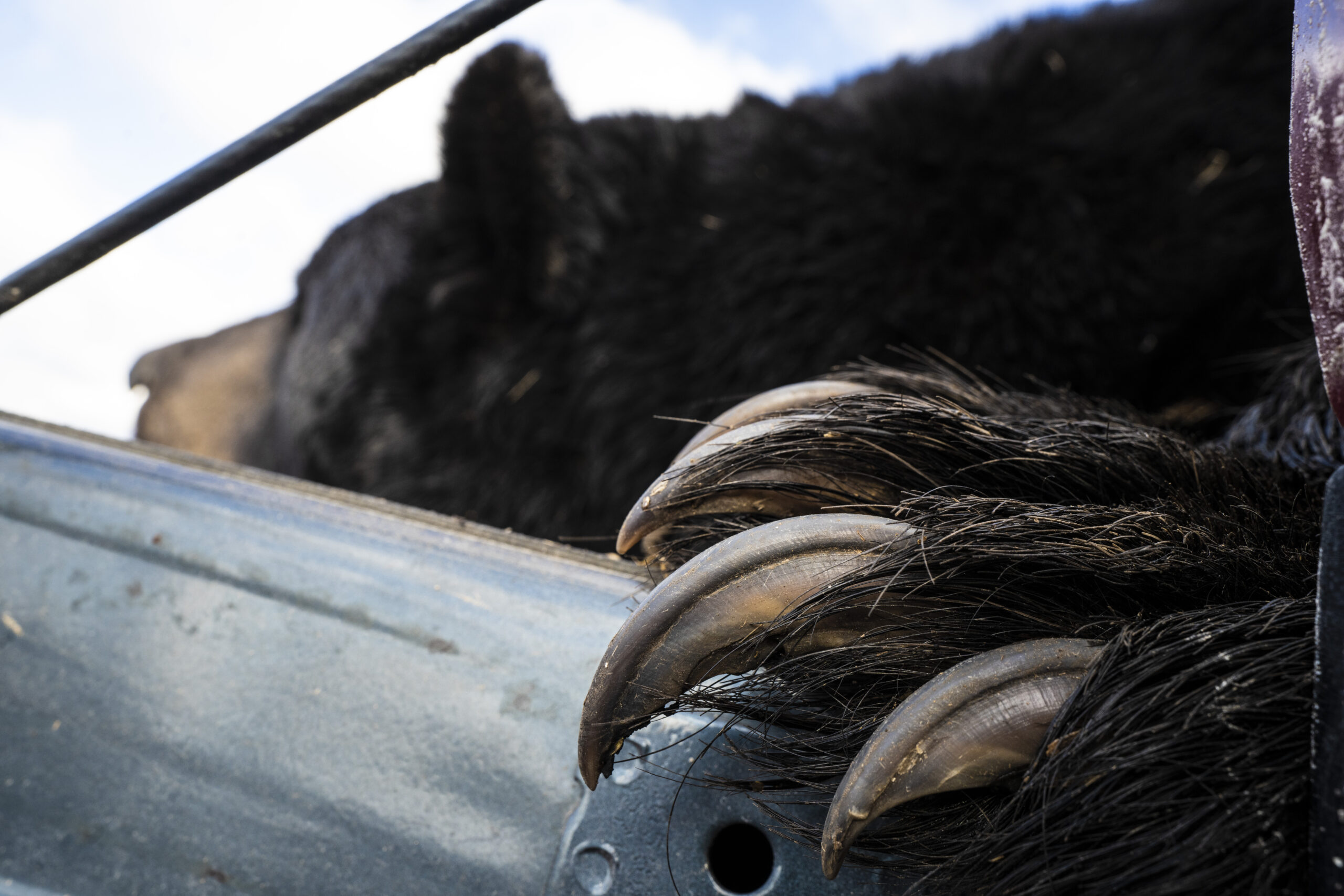
Black bear hunting isn’t just a pursuit—it’s a discipline. Whether you’re glassing open valleys in Montana, watching baited stands in Saskatchewan, or calling deep in Northwoods terrain, the challenge is the same: stay focused, stay calm, and know when to commit.
Unlike the fast-twitch decision-making of turkey or the long waits of whitetail, black bear hunting requires precise timing under pressure. And while ballistics, scent control, and terrain knowledge all matter, the most underestimated element in a clean bear harvest is visual control.
In an environment where cover is dense, adrenaline is high, and shot windows are brief, the ability to visually isolate your target and read the moment with discipline is what separates ethical, confident shots from hesitation—or disaster.
Why Visual Control Matters in Bear Country
Black bears may be elusive, but they don’t move like deer. They lope, they sway, and they rarely give you textbook quartering angles. On top of that, color-phase bears and poor lighting often make it difficult to distinguish body shape from shadow or brush.
According to Montana FWP’s bear hunting guide, many first-time bear hunters miss or wound their target not because of poor aim, but because of misjudged anatomy, poor light conditions, or shooting too quickly without visual confirmation of shoulder or vitals placement (Montana FWP, 2023).
In high-stakes scenarios like this, visual control is critical. It means isolating the bear’s movement within dense surroundings, confirming your angle, and executing a shot with intent—not impulse.
Target Isolation: Seeing the Shot, Not Just the Animal
Target isolation is the act of narrowing your focus to the specific part of the bear you intend to shoot, not just the bear itself.
This goes beyond spotting. It’s about breaking visual clutter—dense timber, uneven terrain, dappled lighting—and identifying:
- The exact shoulder location (bears are deceptive; their front legs and vitals sit lower and farther forward than many assume)
- Whether the bear is quartering to or away
- If the shot window includes bone obstructions, brush deflection, or low-angle slope issues
Seasoned guides recommend waiting for the full broadside, ideally with a foot forward to open the vitals. This requires both patience and visual discipline—especially when a large boar appears and your heart rate spikes.
Field Tactics: How to Stay Visually Ready Without Rushing
In a baited hunt or stand setup, the biggest risk isn’t missing the bear—it’s misidentifying the moment. Is it a legal boar? Is it quartering slightly? Is there brush in front of the shot path? These aren’t questions you want to ask mid-draw or mid-trigger pull.
Here’s how experienced hunters maintain visual control:
- Rest your eyes slightly outside the bait site or opening. Let movement pull your focus in—not the other way around.
- Scan with structure. Avoid darting from shadow to movement; instead, work lanes and angles in a calm sequence.
- Pre-load the shot mentally. Picture what a clean presentation will look like before the bear arrives.
These tactics reduce visual overload and allow you to shift from awareness to execution the moment the bear presents.
Understanding Behavior to Anticipate the Shot
Black bear body language tells you everything—if you’re watching. A relaxed bear moves with rhythm. A wary one pauses often, sniffs the air, or backtracks. Bears that “bluff charge” or circle in may still commit, but often require longer observation before a clean shot presents.
This is where hunters often panic. But trust this: waiting rarely costs you the opportunity—rushing does. As experienced Alaskan outfitter Phil Shoemaker says, “If the bear doesn’t give you the right angle, don’t shoot. It’s not worth wounding an animal you might never recover” (Shoemaker, 2018).
How Gear Supports Mental Calm
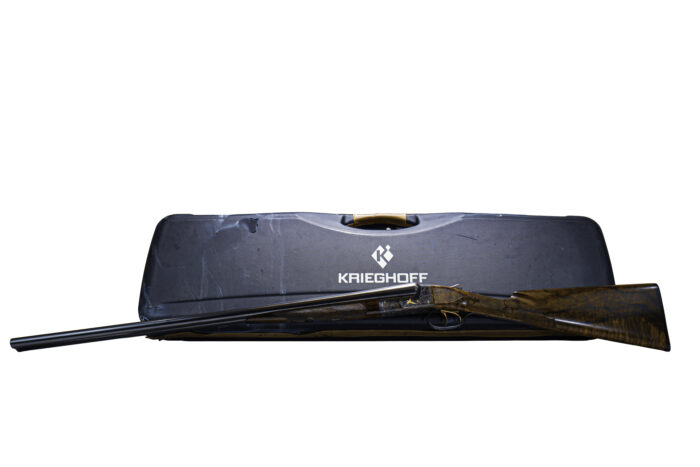
High-pressure hunts demand streamlined gear. From optics to rifle to the case that protects it all, your equipment should fade into the background the moment you step onto the mountain.
A Negrini case plays a quiet but vital role here. When your rifle or lever-action comes out of the case:
- It should be zeroed, clean, and exactly as you left it.
- The process should be efficient, quiet, and deliberate.
- You should feel mentally organized—not rushed or worried.
Elite hunters prepare like professionals, and that includes how they pack, travel, and deploy their gear. Mental clarity begins before the trailhead.
Be the Calm in the Chaos
Black bear hunts aren’t about speed—they’re about poise. In dark timber or over a bait station, the hunter who keeps their vision steady, their heart rate low, and their shot deliberate is the one who walks out with meat on their back and pride in their process.
When the bear appears, don’t let instinct take over. Let discipline take over.
Because the real trophy isn’t the bear—it’s knowing you were in control from beginning to end.
References
- Montana Fish, Wildlife & Parks. Black Bear Hunting in Montana – Regulations & Field Guide. Revised 2023.
https://fwp.mt.gov/hunt/regulations/black-bear
- Shoemaker, Phil. “Taking the Shot: Precision and Ethics in Dangerous Game.” Alaska Bear Guides Journal, Fall 2018.
- Eder, Tom. “Shot Placement on Black Bear.” Bear Hunting Magazine, Vol. 29, Issue 2, 2022.
- Nash, Dan. “Bear Behavior and How to Read It.” Backcountry Journal, Spring 2021.
- National Shooting Sports Foundation. “Big Game Ethics: Vital Shots & Field Judgement.” https://www.nssf.org/hunting/big-game-ethics-vital-shots-field-judgement/