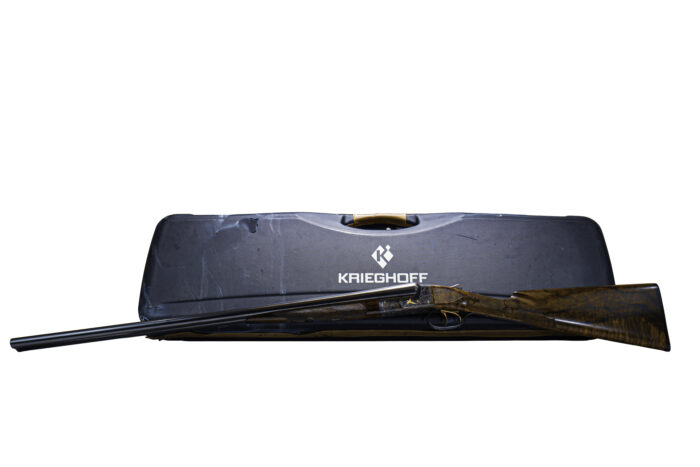





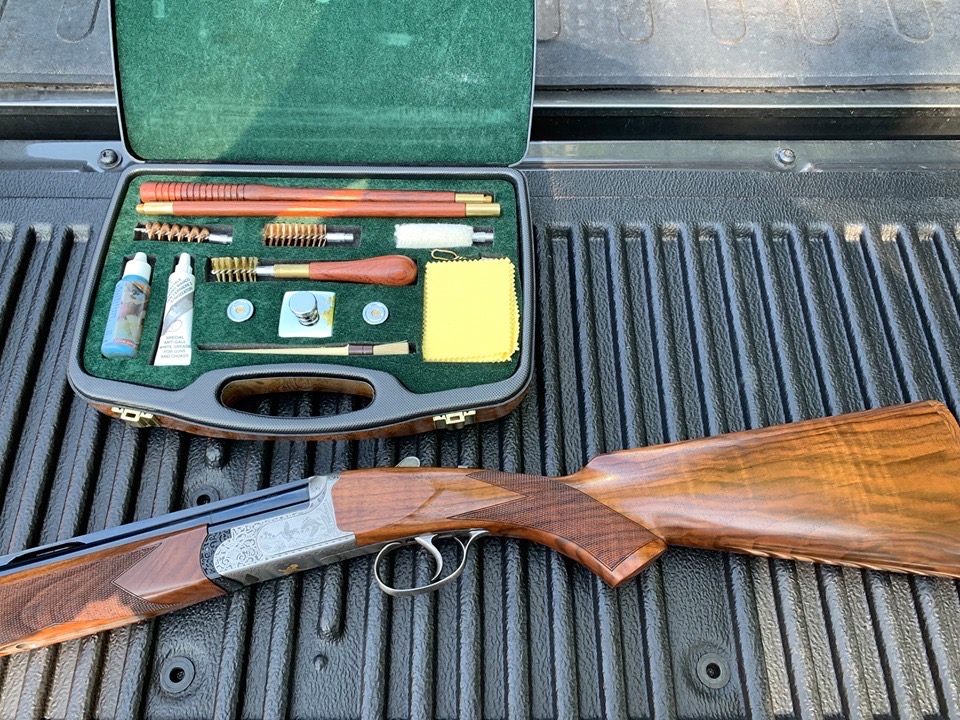
A shotgun is more than a tool; it’s an investment in precision, performance, and, for many, a tradition. Whether you’re a competitive shooter or an avid hunter, maintaining your firearm is essential for reliability and longevity. A neglected shotgun can lead to malfunctions, reduced accuracy, and unnecessary wear. This article outlines essential maintenance routines, debunks common misconceptions, and provides expert-backed techniques to keep your shotgun in peak condition.
Why Shotgun Maintenance Matters
Maintenance is more than cleaning—it’s about preserving the mechanical integrity of your firearm while ensuring safety and performance.
- Performance Consistency
Dirt, fouling, and residue buildup in the barrel and action can impair accuracy and cycling, affecting your ability to hit targets. - Safety
Neglected firearms pose significant risks, such as misfires or barrel obstructions. Regular inspections reduce the likelihood of accidents. - Longevity
Routine care prevents rust, corrosion, and excessive wear, ensuring your shotgun lasts for years, if not generations.- According to a study by Precision Firearms Maintenance Journal (2021), “Regular cleaning and lubrication reduce the risk of component failure by 60%, even in high-volume usage.”
The Basics of Shotgun Maintenance
- Daily Maintenance (After Every Use)
- Clean the Barrel: Use a bore snake or cleaning rod with a solvent-soaked patch to remove powder residue and fouling. Follow with a dry patch and a light coat of oil.
- Inspect for Damage: Check the barrel and chamber for cracks, dents, or obstructions.
- Wipe Down the Exterior: Use a microfiber cloth and gun oil to remove moisture, fingerprints, and debris from the exterior metal surfaces to prevent rust.
- Monthly Maintenance (Or Every 500 Rounds)
- Deep Clean the Action: Strip down the receiver and clean components like the bolt, trigger assembly, and magazine tube. Use a nylon brush and solvent to remove grime, followed by a light oil application.
- Check for Loose Screws: Inspect screws and fasteners on the stock and receiver, tightening as needed.
- Lubrication: Apply a high-quality gun lubricant to all moving parts, including the bolt and action rails.
- Annual Maintenance (Or Every 2,000 Rounds)
- Professional Inspection: Take your shotgun to a qualified gunsmith for a detailed inspection. They can assess wear on critical parts like the firing pin, springs, and ejectors.
- Replace Worn Components: Replace springs, seals, or gaskets as needed to maintain reliability.
- Stock Care: Treat wooden stocks with oil to prevent drying and cracking, especially if exposed to harsh weather conditions.
Key Maintenance Tools and Supplies
Having the right tools makes maintenance easier and more effective:
- Cleaning Rods and Bore Snakes
- Bore snakes offer quick, efficient cleaning, while rods with brushes and patches provide more thorough results.
- Solvents and Oils
- Solvents: Designed to break down carbon, lead, and powder fouling. Brands like Hoppes No. 9 are trusted for reliability.
- Gun Oils: Prevent rust and ensure smooth operation. Synthetic oils such as CLP (Clean, Lubricate, Protect) are versatile options.
- Brushes and Picks
- Use nylon or brass brushes to scrub stubborn fouling from tight spaces. Avoid steel brushes, as they can damage metal finishes.
- Microfiber Cloths and Gloves
- A microfiber cloth ensures a streak-free finish on metal and wood surfaces. Gloves protect your hands from chemicals and keep oils off the firearm.
- Toolkits
- Compact gun-specific toolkits often include wrenches, screwdrivers, and pin punches, ideal for minor repairs and adjustments.
Common Maintenance Mistakes to Avoid
- Over-Oiling
- Myth: “The more oil, the better.”
- Fact: Excess oil attracts dirt and debris, leading to gunk buildup. Use a light coat on moving parts and wipe away excess.
- Neglecting the Barrel
- Many shooters clean the action but neglect the barrel, where fouling can compromise accuracy and safety.
- Improper Storage
- Firearms stored in humid environments without protection are prone to rust. Always store your shotgun in a dry, climate-controlled area with a silica gel desiccant to absorb moisture.
- Skipping Routine Maintenance
- Waiting until something goes wrong increases repair costs and risks damage. Follow a consistent schedule to prevent issues before they arise.
Weather-Specific Maintenance
Shooting in varying weather conditions requires additional care to prevent damage:
- Rain and Wet Conditions
- Immediately disassemble and dry your shotgun after exposure to rain.
- Remove moisture from the bore, action, and stock, then apply a fresh coat of oil.
- Cold Weather
- Avoid over-lubrication, as excess oil can thicken in low temperatures, causing cycling issues.
- Use a winter-grade lubricant designed for sub-zero conditions.
- Dusty or Sandy Environments
- Regularly clean the action to prevent abrasive particles from damaging moving parts.
- Consider using a shotgun cover or case during transport to protect against debris.
Advanced Maintenance Tips for Competitive Shooters
For high-volume competitive shooters, additional steps are necessary to maintain peak performance:
- Track Your Round Count
- Keeping a log of your round count helps you predict when to replace wear-prone parts like firing pins and springs.
- Pattern Testing After Maintenance
- After a deep clean or repair, pattern-test your shotgun to ensure it performs consistently.
- Protect Chokes and Threads
- Use anti-seize grease on screw-in chokes to prevent threads from binding.
- Custom-Fit Maintenance
- If your shotgun has adjustable features (e.g., comb height or cast), ensure these remain secure and aligned during routine checks.
Expert Recommendations
- Don Currie (NSCA Chief Instructor): “Think of your shotgun like a race car. Routine maintenance ensures it runs at peak performance and reduces the chance of catastrophic failures during critical moments” (Clay Shooting USA, 2020).
- Wendell Cherry (Sporting Clays Champion): “Neglecting your shotgun is like sabotaging your own success. Every competitive shooter should have a detailed cleaning routine” (Shooting Sportsman, 2019).
- Lisa Walker (Field & Stream Contributor): “Hunters need to pay extra attention to weather-related damage. A well-maintained gun ensures ethical, reliable shots in the field” (Field & Stream, 2021).
Shotgun maintenance is not just about keeping your firearm functional; it’s about ensuring safety, prolonging its life, and maintaining consistent performance. By adhering to regular cleaning schedules, using the right tools, and addressing weather-specific challenges, you can prevent costly repairs and enjoy years of reliable service from your shotgun. Whether you’re breaking clays on the range or trekking through dense woods, a well-maintained shotgun is your most trusted companion.
References
- Currie, Don. “Essential Shotgun Maintenance for Peak Performance.” Clay Shooting USA, 2020, www.clayshootingusa.com.
- Cherry, Wendell. “Keep Your Gun Ready: Maintenance Tips for Competitors.” Shooting Sportsman, 2019, www.shootingsportsman.com.
- Walker, Lisa. “Weatherproof Your Shotgun: Maintenance in Extreme Conditions.” Field & Stream, 2021, www.fieldandstream.com.
- Precision Firearms Maintenance Journal. “The Impact of Routine Maintenance on Shotgun Longevity.” 2021, www.precisionfirearmsjournal.com.