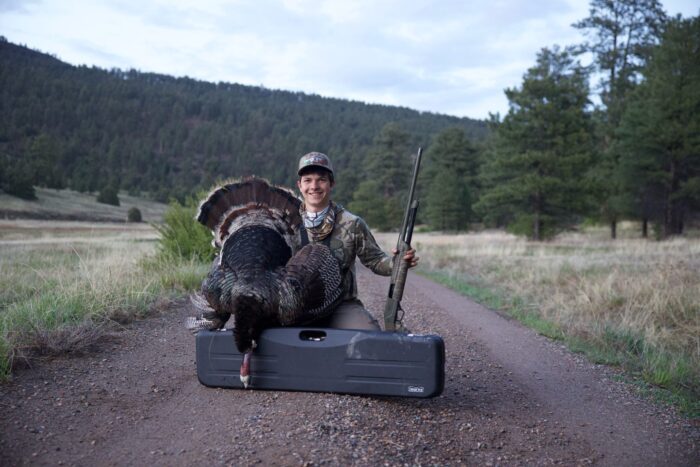






Turkey season is mobile by nature. You drive before daylight, cross county lines, sometimes cross state lines, and often hunt in weather that changes by the hour. Your shotgun spends as much time in transit as it does in your hands.
That reality deserves attention.
Most damage to hunting shotguns does not happen in the field. It happens in trucks, in camp, at gas stations, or in transit. Spring conditions only amplify the risk.
If you care about your equipment, transport should be deliberate.
Spring Travel Is Hard on Guns
March through May is one of the wettest stretches of the year across much of the country. NOAA climate data consistently shows elevated precipitation during spring months in the Midwest, Southeast, and Mid-Atlantic regions.
Rain is obvious. Humidity is less obvious.
Blued steel reacts quickly to moisture. Even short exposure can begin surface oxidation. The National Shooting Sports Foundation notes that moisture is a leading cause of corrosion in firearms and stresses the importance of proper storage and handling to prevent it.
Now consider the common turkey scenarios:
-
A shotgun laid in the bed of a truck after a damp morning
-
A cold gun placed inside a warm cab
-
Gear piled on top of the firearm during a long drive
None of those situations feel dramatic. Yet each one introduces stress.
Condensation Causes More Damage Than Rain
Hunters often wipe off visible rain and assume the job is done. Condensation is the quieter problem.
When a cold firearm moves into warm air, moisture forms on the metal. It settles into the action, around screws, and under optic mounts. If that moisture is trapped inside a soft case, corrosion accelerates.
The NSSF advises wiping firearms down and allowing them to adjust gradually to temperature changes. That simple habit prevents many long-term issues.
A rigid, well-sealed hard case adds another layer of control. It limits outside humidity and protects the gun from shifting while temperatures stabilize.
Movement During Transport Is the Real Threat
Impact rarely happens while you are walking to a setup. It happens during travel.
Shotguns slide in truck beds. They shift on back seats. Gear bags fall against them. On longer trips, luggage presses down from above.
That movement transfers stress to the most vulnerable area of the gun: the stock head where wood meets steel. Over time, repeated impact can create hairline cracks that are expensive to repair and impossible to truly reverse.
A shotgun should not move inside its case. Internal support matters more than many hunters realize. A firm, immobilized fit prevents momentum from transferring into the action and stock.
Optics Raise the Stakes
Many turkey guns now wear red dots. They offer real advantages when paired with tight chokes and modern loads. They also introduce another potential failure point.
A minor bump in transit can shift zero. A hard jolt can damage mounts.
If you have spent time patterning at 30 and 40 yards, you understand how precise these setups are. Protection during transport preserves that work.
Dense padding and a rigid outer shell absorb shock before it reaches the optic.
Vehicle Security Is Part of Responsible Ownership
Driving to camp feels routine. Yet theft from vehicles remains one of the most common property crimes in the country, according to the Bureau of Justice Statistics.
A visible firearm inside a vehicle invites attention. A lockable, hard-sided case adds both discretion and resistance. It does not eliminate risk entirely, but it creates a barrier.
Responsible transport reflects responsible ownership. Most experienced hunters already think this way. The case simply supports that mindset.
Hard Case or Soft Case
Soft cases have a place. They are light and convenient for short trips under controlled conditions.
Turkey season is rarely controlled.
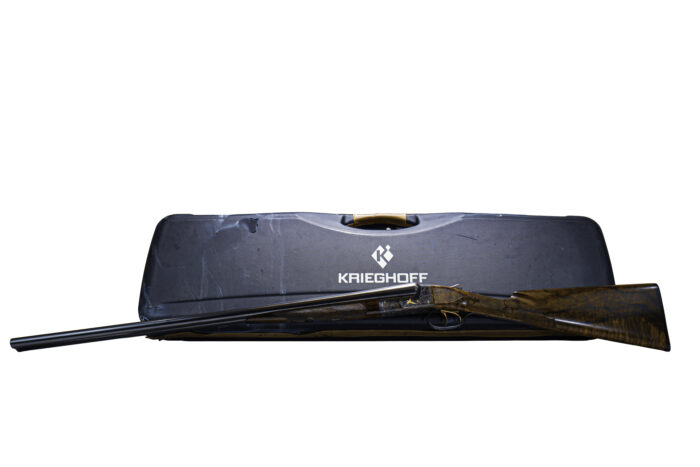
Rain, uneven roads, stacked gear, and long-distance travel demand more structure. A hard-sided case offers:
-
Greater impact resistance
-
Better protection from moisture
-
Secure locking points
-
Stable internal support
When travel increases, protection should increase with it.
A Simple Pre-Trip Routine
Before heading out this spring:
-
Confirm the shotgun is unloaded
-
Wipe down all metal surfaces
-
Check optic mounts and screws
-
Lightly oil exposed steel
-
Ensure the case fit prevents movement
-
Keep the firearm out of sight during travel stops
None of this is complicated. It is simply disciplined.
Protection Is Part of Preparation
Turkey hunters spend hours scouting birds, practicing calls, and patterning loads. Transport deserves the same level of thought.
The hunt may last a morning. The shotgun should last a lifetime.
Spring weather, long drives, and rough roads are part of the season. Damage does not have to be.
Serious protection is not about paranoia. It is about preserving performance and respecting the equipment that makes the hunt possible.
When you close the case before opening day, you are not just storing a shotgun. You are protecting the work that went into preparing for that first gobble.