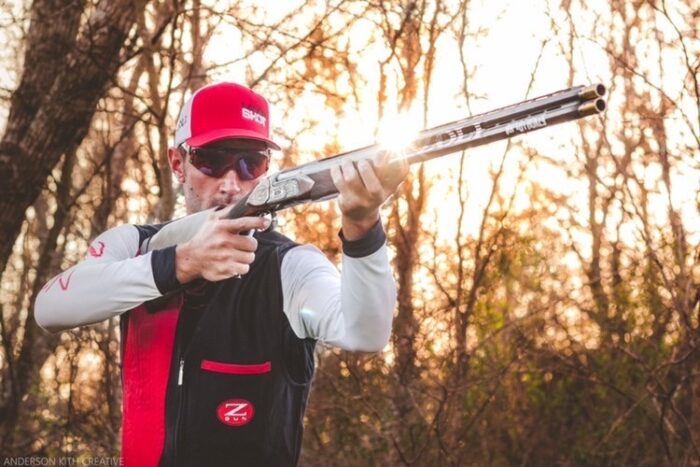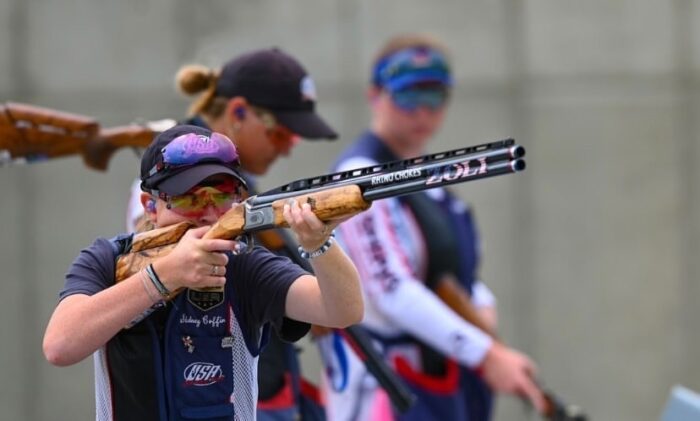






For experienced shooters, the follow-through is not just a basic skill but a crucial component of shooting that can make the difference between an average shot and a consistently accurate one. While often learned early on, truly mastering the follow-through is what separates good shooters from great ones. The follow-through impacts everything from shot accuracy to consistency and overall performance. In this blog, we dive deep into advanced techniques to refine your follow-through, ensuring every shot is as precise as possible, whether you’re at the range or in the field.
The Role of Follow-Through in Shooting Accuracy
Follow-through in shooting is the act of maintaining your shooting form—grip, stance, sight alignment, trigger control, and mental focus—until well after the shot has been fired and the bullet has left the barrel. This process is vital because it helps minimize any disruptions that might occur immediately after the shot, which could negatively affect accuracy.
The Science Behind Follow-Through
When you pull the trigger, it’s essential to maintain control over the firearm throughout the entire shot cycle, including the milliseconds after the bullet exits the barrel. Any premature movement, such as lowering the gun or relaxing your grip too soon, can alter the bullet’s trajectory, particularly at long distances.
A study published in the Journal of Applied Biomechanics found that even minor movements during the follow-through phase can lead to significant deviations in shot placement, especially when shooting under stress or at long range (Journal of Applied Biomechanics, 2020). This highlights the importance of a disciplined follow-through for maintaining accuracy.
Advanced Techniques to Improve Follow-Through
For seasoned shooters looking to refine their follow-through, subtle adjustments can lead to substantial improvements in consistency and accuracy. Here are some advanced techniques to perfect this critical aspect of shooting.
1. Maintaining Grip Pressure
One of the most vital aspects of follow-through is maintaining consistent grip pressure throughout the shot. Any change in grip pressure can cause the firearm to shift slightly, affecting the bullet’s path.
- Consistent Pressure: Ensure that your grip remains consistent from the moment you aim to after the shot is fired. Shooting Sportsman emphasizes the importance of not relaxing your grip immediately after the shot, as this can lead to vertical stringing of shots on the target (Shooting Sportsman, 2021).
- Pressure Points: Focus on maintaining even pressure with both hands. Your trigger hand and support hand should work in unison to control recoil and keep the gun steady throughout the shot cycle.
2. Controlling Recoil with Follow-Through
Recoil management is a critical part of follow-through, especially when shooting larger calibers. Properly controlling recoil ensures that the gun returns to its original position, allowing for quicker follow-up shots and maintaining sight alignment.
- Absorbing Recoil: Position your body to absorb recoil efficiently. Leaning slightly into the shot and using your body’s natural biomechanics to control the gun’s movement can help maintain accuracy. Field & Stream notes that shooters who effectively manage recoil tend to have tighter shot groups, as the gun’s movement is more predictable and controlled (Field & Stream, 2020).
- Recoil Anticipation: Avoid the common mistake of anticipating recoil by flinching or tightening up before the shot. This anticipation can disrupt your follow-through and throw off your shot. Practice dry firing to train your body to remain relaxed and maintain focus on the sight picture through the shot.
3. Mental Focus and Shot Discipline
Mental focus is a crucial, yet often underappreciated, component of follow-through. The ability to maintain concentration through the entire shot cycle, including the moments after the shot, can significantly impact consistency.
- Mindful Shooting: Stay mentally engaged through the shot, focusing on the target and your sight picture even after the trigger has been pulled. American Rifleman emphasizes the importance of mental discipline, noting that a shooter’s mind often “wanders” after the shot, leading to inconsistent follow-through (American Rifleman, 2019).
- Visualization Techniques: Use visualization techniques to reinforce the follow-through. Imagine the bullet’s path from the moment you pull the trigger until it impacts the target, and practice maintaining that visualization until the shot is complete.
4. Sight Picture and Alignment Maintenance
Maintaining sight picture and alignment through the shot is a critical aspect of follow-through, particularly for long-range shooting.
- Follow the Sight: After pulling the trigger, continue to follow the sight through the recoil. This technique, known as “calling the shot,” helps you analyze where the shot will land based on the sight’s position at the moment the bullet exits the barrel.
- Adjusting for Recoil: Allow the gun to naturally rise with the recoil, but bring it back to the original sight picture as quickly and smoothly as possible. NRA Family suggests practicing this technique with both live fire and dry fire to build muscle memory and improve consistency (NRA Family, 2020).
5. Practical Drills to Improve Follow-Through
Regular practice is essential for refining your follow-through technique. Here are a few drills that can help you maintain consistency and accuracy.
- Dry Fire Drills: Practice your follow-through with dry fire drills, focusing on maintaining sight picture, grip pressure, and mental focus after each shot. Dry firing allows you to practice without the distractions of recoil and noise, making it easier to perfect your technique.
- Recoil Management Drills: Use live fire drills that emphasize recoil control and follow-through. For example, shoot a series of rapid shots while focusing on returning to the original sight picture after each shot. This drill helps build the muscle memory needed for effective follow-through during rapid fire or high-stress situations.
- Slow Fire Precision Drills: Practice slow fire precision shooting, paying close attention to your follow-through after each shot. Focus on maintaining all aspects of your shooting technique until the bullet impacts the target.
Protecting Your Gear with Negrini Cases
As you refine your shooting techniques, it’s crucial to ensure that your firearms are well-protected, both during transport and storage. Negrini cases offer unmatched protection for your pistols, ensuring that your equipment remains in peak condition whether you’re traveling to a competition or heading out for practice. With their lightweight design, customizable interiors, and TSA-compliant locks, Negrini cases provide the security and durability you need to keep your firearms safe and ready for action.
Conclusion
For experienced shooters, refining the art of follow-through is a continual process that pays dividends in terms of accuracy, consistency, and overall shooting performance. By focusing on advanced techniques such as maintaining consistent grip pressure, controlling recoil, and enhancing mental focus, you can elevate your shooting skills to new heights. Remember, follow-through is not just about holding your position after the shot—it’s about maintaining control and discipline throughout the entire shot process. With practice, attention to detail, and the right mindset, you can perfect your follow-through and achieve consistent success on the range or in the field.
References:
- Journal of Applied Biomechanics (2020). The Effects of Follow-Through on Shooting Accuracy. Retrieved from Journal of Applied Biomechanics.
- Shooting Sportsman (2021). Mastering Follow-Through for Competitive Shooting. Retrieved from Shooting Sportsman.
- Field & Stream (2020). The Science of Recoil Control in Shooting. Retrieved from Field & Stream.
- American Rifleman (2019). Mental Discipline in Shooting: The Key to Consistency. Retrieved from American Rifleman.
- NRA Family (2020). Building Muscle Memory for Better Shooting Performance. Retrieved from NRA Family.