





As the big game hunting season approaches, experienced hunters know that success in the field starts with meticulous preparation. For those planning to travel to hunt, whether across state lines or to a different country, the stakes are even higher. Your gear, logistics, and even your mindset must be perfectly aligned to ensure you’re ready for the challenges that lie ahead. In this blog, we’ll explore five critical aspects every big game hunter using a rifle must consider to make the most of this hunting season.
1. Selecting the Right Rifle and Ammunition for Your Hunt
The Importance of Choosing the Right Rifle
The foundation of a successful big game hunt is having the right rifle. This doesn’t just mean a high-quality firearm, but one that is specifically suited to the type of game you’re hunting and the terrain you’ll be navigating. For instance, hunting elk in the rugged mountains of the West demands a different rifle setup than hunting whitetails in dense Eastern forests.
- Caliber Considerations: Choose a caliber that balances power with precision. For larger game like elk or moose, a .300 Winchester Magnum or a .338 Lapua Magnum might be ideal, offering the stopping power needed at longer ranges. For deer or antelope, a .270 Winchester or a .308 Winchester provides the accuracy and terminal performance needed for clean kills.
- Rifle Weight and Maneuverability: When traveling and hunting in rugged terrain, the weight and balance of your rifle become critical. A lightweight, synthetic-stocked rifle might be preferable for mountainous hunts where you’ll be covering a lot of ground, while a heavier, well-balanced rifle could offer better stability for long-range shots.
Ammunition: Matching Load to the Game
Choosing the right ammunition is just as important as selecting the right rifle. Consider the type of game and the typical shot distance when selecting your load.
- Bullet Construction: For big game, bonded bullets or those with controlled expansion, like the Nosler Partition or Barnes TTSX, are ideal. These bullets maintain weight and penetrate deeply, ensuring humane kills.
- Range Considerations: If you anticipate long-range shots, match-grade or high-ballistic-coefficient bullets can provide better accuracy and energy retention at distance. Always test your chosen ammunition at various ranges to ensure it performs consistently with your rifle.
2. Packing and Protecting Your Gear: Travel Essentials for Hunters
Secure and Protect Your Rifle
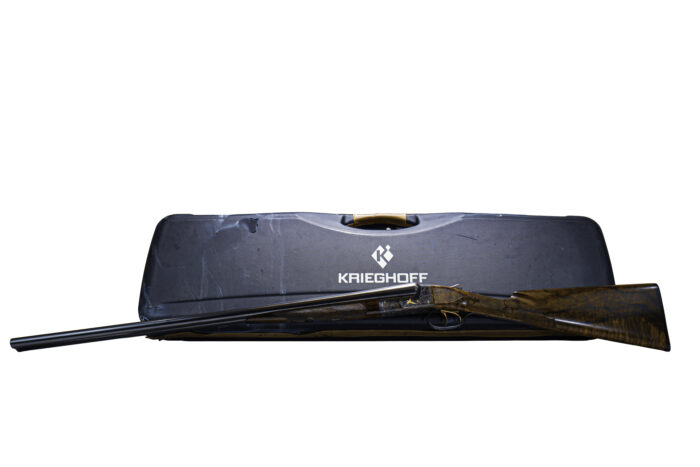
When traveling, especially by air, protecting your rifle is paramount. Investing in a high-quality, TSA-compliant rifle case is non-negotiable.
- Negrini Gun Cases: Negrini cases are known for their robust construction, lightweight design, and secure locking mechanisms, making them ideal for air travel. Their customizable interiors provide a snug fit for your rifle and optics, protecting them from shocks and impacts during transit.
- Optic Protection: If your rifle is equipped with a scope, ensure that it is well-protected. Consider using a scope cover within the case and check that it’s securely mounted before traveling.
Packing Smart: What to Bring
Beyond your rifle, your gear should be packed with careful consideration of the terrain and climate.
- Clothing: Layering is crucial. Start with moisture-wicking base layers, add insulating mid-layers, and finish with a waterproof and windproof outer layer. Don’t forget high-quality, insulated boots that are suited for the terrain and weather you’ll face.
- Optics and Tools: Include high-quality binoculars and a rangefinder in your pack. A compact field toolkit with cleaning supplies, multi-tools, and backup batteries for electronic devices is essential for in-the-field repairs and maintenance.
3. Understanding and Navigating Hunting Regulations
Researching Local Laws and Regulations
When traveling to hunt, especially across state lines or internationally, understanding the local hunting laws and regulations is critical.
- Licensing Requirements: Ensure that you have all necessary hunting licenses, tags, and permits. Some states require specific endorsements for non-resident hunters, and certain game species might require additional tags that need to be applied for well in advance.
- Firearm Transportation Laws: Be aware of the legal requirements for transporting firearms across state lines or international borders. This includes knowing how to declare your firearm at airports and understanding the rules for carrying ammunition.
Engaging with Local Guides and Outfitters
In unfamiliar territory, a local guide or outfitter can be invaluable.
- Knowledge of the Area: Local guides have intimate knowledge of the hunting grounds, including the best spots for setting up, game behavior patterns, and how to navigate the terrain safely.
- Legal Compliance: Working with a licensed outfitter ensures that you’re hunting within the legal framework, which can be complex, especially in regions with strict regulations.
4. Preparing for the Hunt: Physical and Mental Conditioning
Physical Conditioning
Big game hunting can be physically demanding, especially in challenging terrains. Preparing your body for the rigors of the hunt is as crucial as preparing your gear.
- Cardiovascular Fitness: Increase your cardiovascular endurance with regular aerobic exercises like hiking, running, or cycling. Focus on exercises that mimic the conditions you’ll face, such as uphill hiking with a loaded backpack.
- Strength Training: Incorporate strength training into your routine, particularly focusing on your legs, core, and shoulders. This will help you manage heavy packs and stabilize your rifle for precise shooting.
Mental Preparation
Big game hunting requires patience, focus, and the ability to make quick decisions under pressure. Mental conditioning is key to staying sharp throughout the hunt.
- Visualization Techniques: Use visualization to mentally prepare for the hunt. Picture yourself successfully navigating the terrain, making accurate shots, and remaining calm under pressure.
- Mindfulness and Stress Management: Practice mindfulness techniques to manage stress and maintain focus. This can include deep breathing exercises, meditation, or simply spending time in nature to acclimate yourself to the environments you’ll encounter.
5. Field Dressing and Game Care: Post-Hunt Essentials
Efficient Field Dressing Techniques
Once you’ve successfully harvested your game, proper field dressing is critical to preserving the quality of the meat.
- Field Dressing Tools: Ensure you have a sharp, reliable knife, a bone saw, and durable gloves. A quality field dressing kit like those from Havalon or Outdoor Edge can make the process more efficient and safer.
- Speed and Precision: Practice field dressing techniques before your hunt to ensure that you can perform them quickly and cleanly in the field. This helps minimize the risk of contamination and ensures the meat is preserved in peak condition.
Transporting Your Harvest
After field dressing, the next step is transporting your harvest safely and hygienically.
- Game Bags: Use breathable, antimicrobial game bags to protect the meat from dirt, insects, and moisture. These bags also allow the meat to cool more effectively, which is crucial in warmer climates.
- Cooling and Storage: If you’re in a remote area, consider how you’ll keep the meat cool until you can reach a processor or storage facility. Portable coolers or a temporary meat locker set up in camp can be effective solutions.
Conclusion
Preparing for a big game hunt with a rifle involves meticulous planning and attention to detail. From selecting the right rifle and ammunition to ensuring your physical and mental conditioning is at its peak, each aspect plays a critical role in your success. By following these five essential preparation steps, you can maximize your chances of a successful and rewarding hunting season.
Negrini’s premium rifle cases provide the perfect solution for protecting your firearms during travel, ensuring that your equipment remains secure and ready for action. As you prepare for the hunt, trust Negrini to safeguard your gear, so you can focus on what matters most—hunting with precision and confidence.