




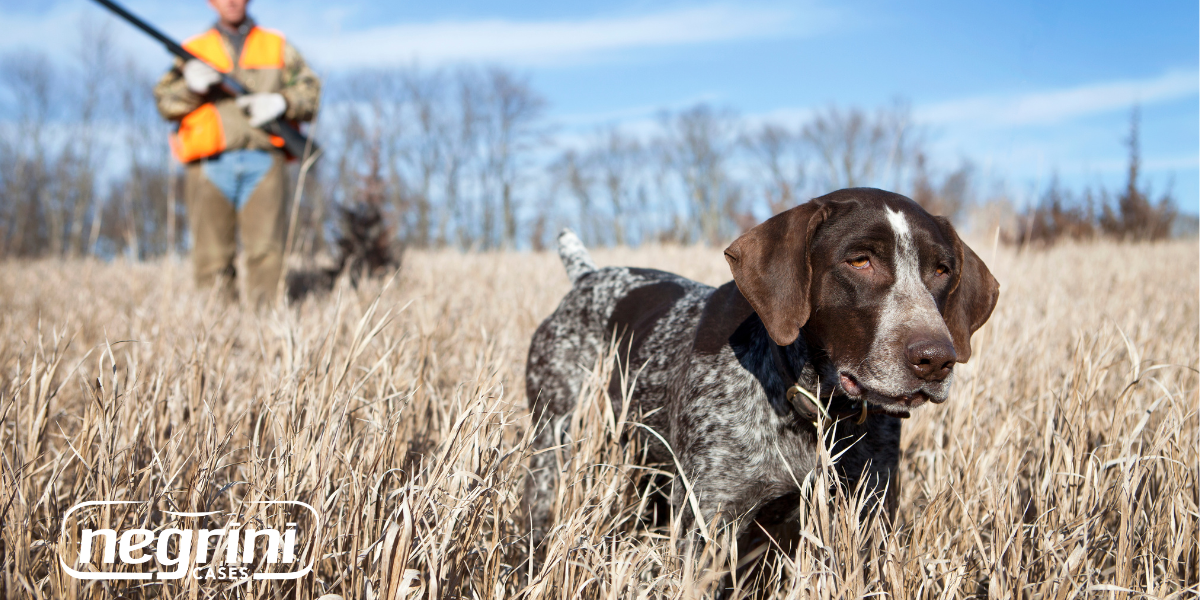
Upland hunting is one of the most exhilarating pursuits in the field, blending skill, strategy, and instinct. The unpredictable nature of upland birds demands split-second decision-making, precision shooting, and a deep familiarity with your firearm. Whether chasing pheasants, quail, or grouse, mastering advanced shooting techniques—paired with high-quality gear—can take your hunting experience to new levels of success.
This article delves into the essential techniques that experienced upland hunters rely on, with practical tips for those moments when time is of the essence and you need to rely on instinct rather than a lengthy pre-shot routine.
The Role of a Pre-Shot Routine: When Time Allows
In ideal conditions, a pre-shot routine prepares you mentally and physically for each shot. A well-established routine helps ensure that your focus is sharp, your body is aligned, and your mind is calm—key factors for consistent accuracy.
A pre-shot routine for upland hunting can include:
Mental Visualization: In the heat of a hunt, your mental preparation can make all the difference. Visualization is a proven technique used by professional shooters and athletes across sports. Dr. Michael Lardon, a sports psychologist, explains: “Visualization allows the mind to rehearse the perfect shot, enhancing both confidence and precision under pressure.” By mentally rehearsing the shot and the flight path of the bird, you create a mental roadmap that prepares you for when the bird flushes.
Controlled Breathing: Steady, deep breathing is crucial to staying calm and focused in the field. Before taking a shot, a couple of deep breaths can help slow your heart rate and steady your aim. This is particularly valuable when you’re hunting high-energy birds like pheasants or quail, where fast movement can create a rush of adrenaline.
Stance and Setup: Before the bird flushes, taking just a few seconds to position your feet and establish balance can improve your shooting accuracy. Place your feet shoulder-width apart with a slight lean forward. This stance will give you better control as you swing your gun and track the bird’s movement.
Adapting Your Routine for Split-Second Shots
While a pre-shot routine is useful when you have time to prepare, upland hunting rarely offers the luxury of perfect conditions. Birds flush quickly, often unpredictably, and there’s little time to deliberate. When this happens, you need to rely on a condensed version of your routine—one that can be performed in seconds, or instinctively, without conscious thought.
1. Quick Mental Focus: Locking in on the Target
In fast-paced situations, there’s no time for a detailed visualization. Instead, focus on quickly locking your eyes on the bird and reading its trajectory. Over time, this process becomes automatic through repetition and practice. Elite hunters have conditioned their brains to assess the bird’s flight path almost instantly.
Tip for Practice: Use clay target drills to simulate the fast rise and unpredictable flight of upland birds. Set up targets at varying angles and distances, and practice snapping your eyes to the target immediately after it’s launched. This will train your brain to instinctively focus and react quickly.
2. Fast and Efficient Gun Mount
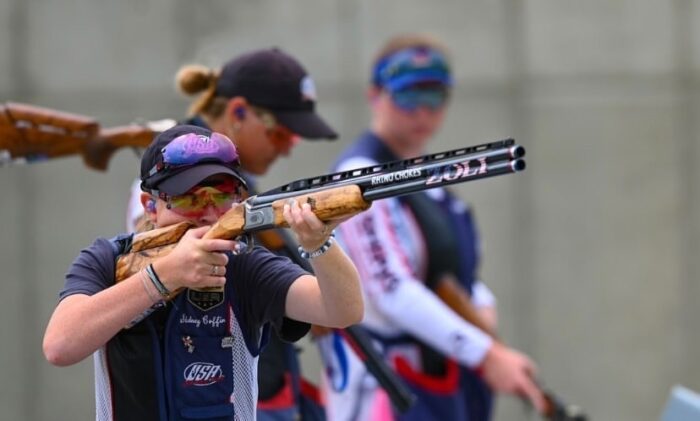
The speed at which you mount your gun is critical in upland hunting. A well-practiced mount is essential to bring the shotgun into position quickly and smoothly without losing track of the target.
When hunting, your gun should be an extension of your body. Practice mounting your shotgun until it becomes second nature, so that when the bird flushes, you can shoulder the gun and align your shot with the target without conscious effort. Speed and precision in mounting are critical for success, especially when hunting fast birds like quail or grouse.
3. Minimal Stance Adjustment
In upland hunting, there’s often no time to settle into a perfect stance, particularly when you’re walking or moving through rough terrain. The key is to make small adjustments on the fly that help stabilize your body for the shot. Focus on keeping your body balanced and leaning slightly forward, which will help you control the shotgun’s movement as you track the bird.
Tip for Practice: Simulate field conditions by practicing on uneven ground. This helps you learn how to stabilize your body quickly when you don’t have time to position yourself perfectly.
4. Lead and Follow-Through: Timing Your Shot
When a bird flushes, quick reactions are essential. To hit a moving target, you must master the art of leading the bird—shooting ahead of it to account for its speed and trajectory. Many hunters struggle with this, especially with fast upland birds that zigzag unpredictably.
Lead and Timing: It’s not enough to just point and shoot where the bird is; you must anticipate where the bird is going. The faster the bird, the further ahead you need to aim. Practice on crossing clay targets to refine your timing and accuracy.
Follow-Through: One of the most common mistakes in upland shooting is stopping the swing after pulling the trigger. A smooth follow-through, where the gun continues to track the bird’s flight after the shot, is essential for hitting moving targets. Without follow-through, you risk shooting behind the bird.
Perfecting Your Shotgun Fit for Faster, Instinctive Shooting
A properly fitted shotgun is the foundation of successful, instinctive shooting. When a shotgun fits perfectly, it feels like an extension of your body, allowing you to aim and shoot with precision even in the heat of the moment.
Length of Pull: The length of pull—the distance from the trigger to the end of the buttstock—should match the length of your forearm. Bob Brister, a renowned shotgun expert, emphasized that “a gun with a properly adjusted length of pull helps ensure your mount is fast and natural, preventing missed opportunities” (Brister, 2001).
Drop at Comb and Heel: These measurements ensure that your eye is aligned with the rib of the shotgun. When the drop at comb and heel are properly adjusted, the gun comes up naturally, and you’re immediately looking down the sight for a quick, accurate shot.
Cast and Pitch: These customizations account for the sideways bend (cast) and the angle of the buttstock (pitch). A gun that’s cast correctly to suit your shoulder and cheek allows for quicker mounting, while proper pitch reduces recoil, ensuring a faster recovery after each shot.
Reading the Bird: Fast Target Acquisition
An experienced upland hunter knows that not all birds fly the same. Grouse dart erratically through dense woods, while pheasants rise explosively and fly fast in open fields. Being able to read the bird’s flight and react accordingly is critical.
Focus on the Bird’s Line: As soon as the bird flushes, lock your eyes on its movement. Don’t focus on your gun or the bead at the end of your barrel—your attention should be entirely on the bird. Follow its path with your eyes and lead the bird to where it will be, not where it is.
Anticipate Movement: Some birds, like grouse, are notorious for quick, zigzagging flights. To improve your accuracy on these tricky birds, practice on clay targets that simulate erratic flight paths.
The Importance of Quality Equipment: Trusting Your Gear
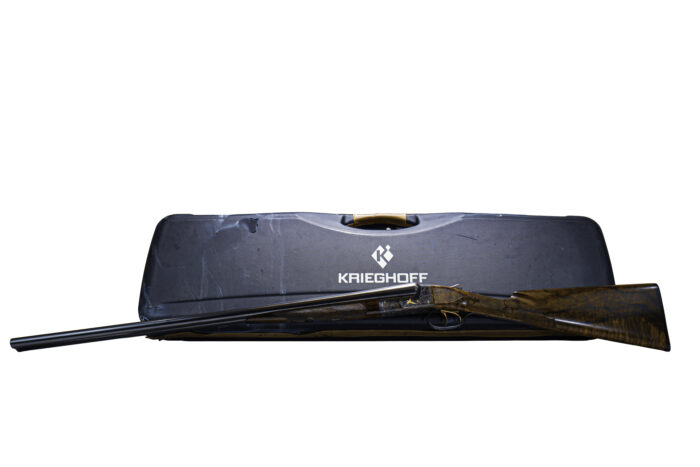
In upland hunting, your equipment is your lifeline. You’re often hunting in rugged, remote locations, and you need to trust that your gear will perform flawlessly. This is where Negrini’s gun cases make a real difference. Our lightweight, durable cases are designed to protect your firearms during travel, ensuring that your shotgun stays in top condition, no matter where the hunt takes you.
Our cases are equipped with TSA-compliant steel locks, offering security and peace of mind whether you’re flying across the country or driving to a local hunting ground. Hunters who invest in quality firearms know that protecting them is just as important as shooting them.
As one hunter put it, “Traveling with a high-end shotgun can be stressful. Negrini’s gun cases give me the confidence that my gear is always safe, whether I’m traveling by plane or hiking to the next hunting spot.”
Continuous Improvement: Practicing for Success
Just like any other sport, the key to success in upland hunting is practice. The best upland hunters dedicate time to improving their shooting form, their reaction time, and their ability to read the bird’s flight. The more you practice in conditions that mimic real hunting scenarios, the better your split-second decision-making will become.
Practice Drills: Incorporating clay target shooting into your routine is one of the best ways to build muscle memory and refine your shooting skills. Focus on crossing targets at varying speeds and angles to simulate the unpredictable flight of upland birds.
Real-Life Experience: No amount of range time can fully replace real field experience. Hunting birds in varied terrains and conditions helps hone your instincts and improves your ability to react quickly when the moment arrives.
Conclusion: Excellence in the Field
Mastering upland hunting requires a balance of skill, instinct, and high-quality gear. By developing a fast, instinctual version of your pre-shot routine, perfecting your shotgun fit, and refining your ability to read the bird and lead your shots, you can significantly improve your success rate in the field. Paired with Negrini’s durable, lightweight gun cases, you’ll be well-equipped to protect your investment and focus entirely on the hunt.
At Negrini, we are proud to support hunters with gear that enhances performance. Our cases are more than just protection—they are designed to give you the confidence to pursue your passion, knowing your firearms are safe, secure, and ready for action.
References:
Brister, Bob. Shotgunning: The Art and the Science. Stackpole Books, 2001.
Smith, M. (2010). “Visualization in Sports: A Meta-Analysis.” Journal of Applied Sport Psychology.