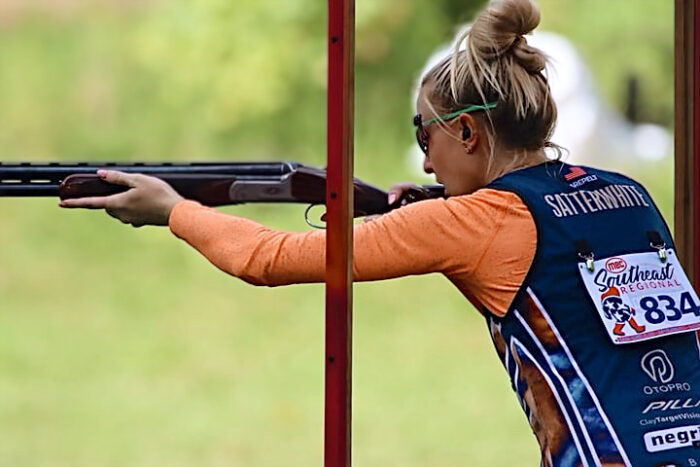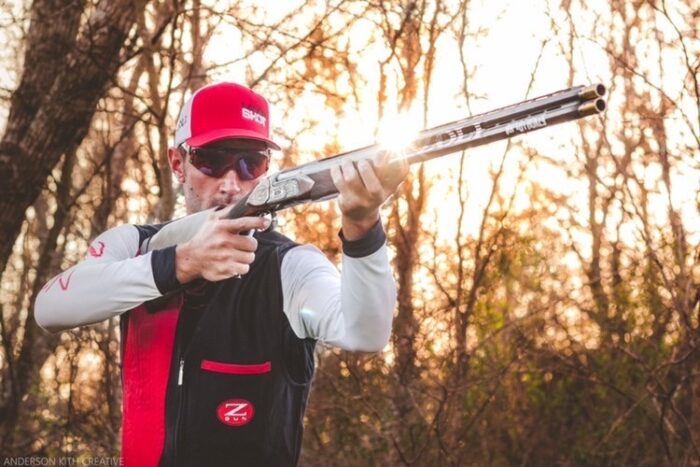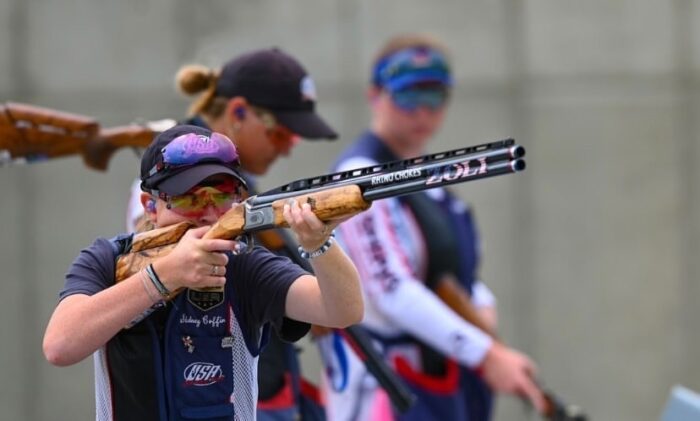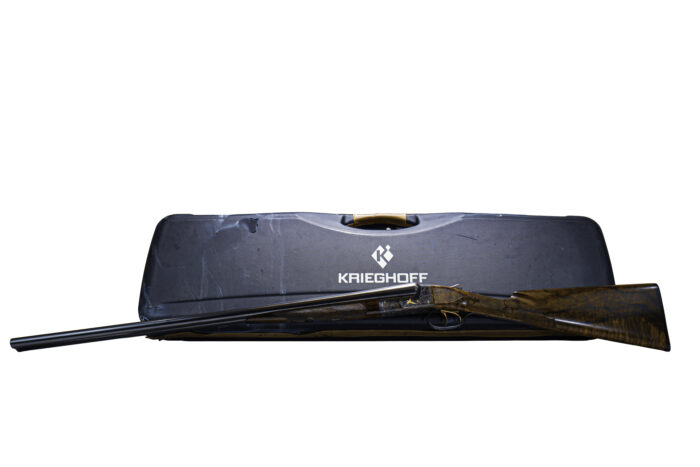





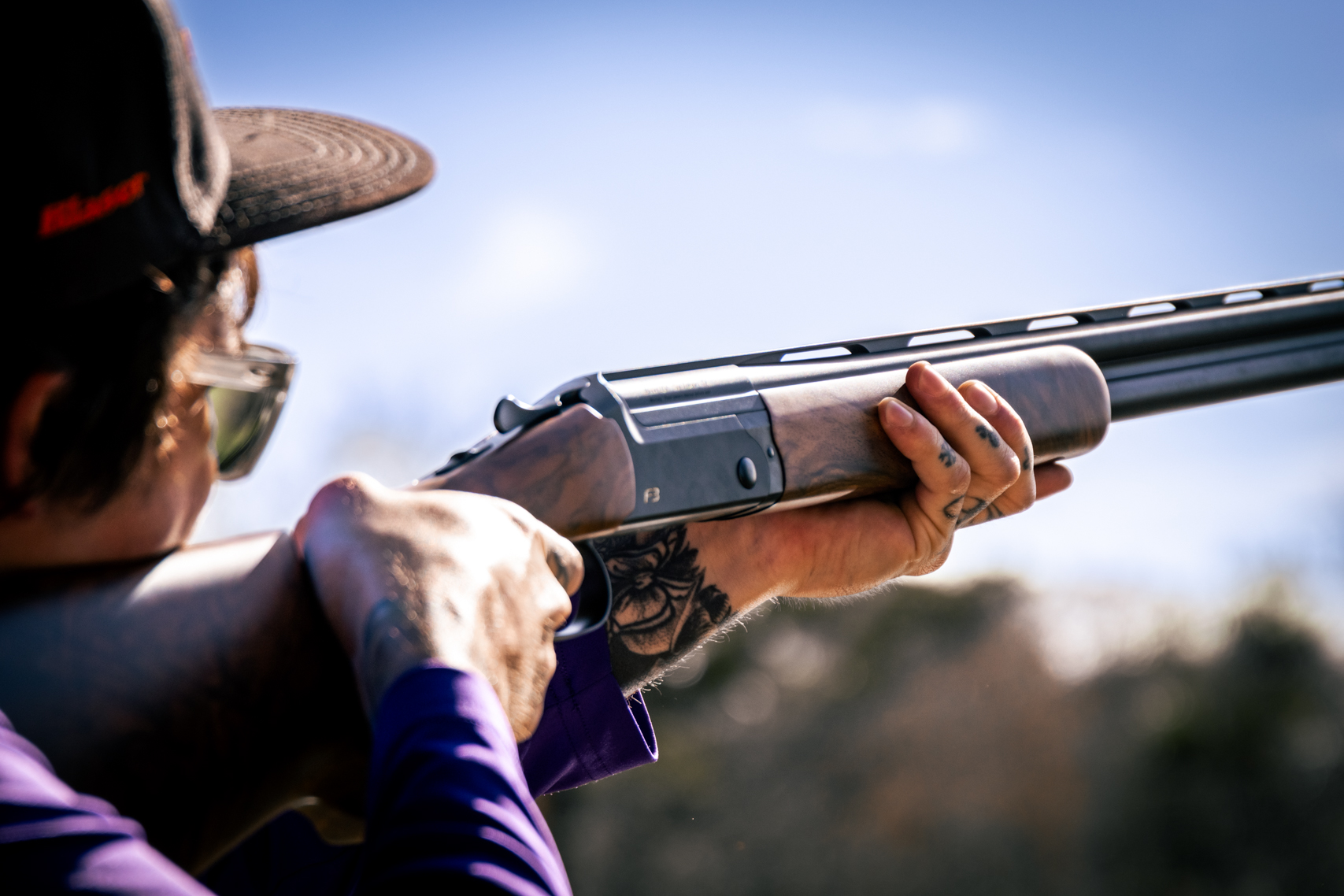
When it comes to shotgun performance, few topics are as debated—or misunderstood—as barrel length, weight, and choke dynamics. Whether on the trap field, skeet range, or hunting uplands, the configuration of your shotgun’s barrel can significantly impact your accuracy, swing, and overall performance. Myths surrounding these features abound, making it crucial to separate fact from fiction. This in-depth exploration will address common misconceptions, provide data-backed insights, and offer expert guidance to help shooters optimize their equipment for peak performance.
Barrel Length: Does Longer Always Mean Better?
One of the most persistent myths in shotgun shooting is that longer barrels are inherently better for accuracy and performance. While barrel length plays an essential role, the answer isn’t as straightforward as “longer equals better.”
- Myth: Longer Barrels Are Always More Accurate
The idea that longer barrels improve accuracy stems from their historical use in fixed-choke shotguns. However, advancements in modern shotgun technology, such as screw-in chokes and precision machining, mean barrel length contributes less to accuracy than factors like choke constriction and shot consistency.- Fact: Barrel length primarily affects the shooter’s sighting plane and the shotgun’s swing dynamics rather than pellet distribution. According to ballistic studies conducted by Brister (2001), “The length of a barrel has minimal effect on shot pattern density or uniformity beyond 24 inches.”
- Myth: Shorter Barrels Are Only for Tactical Applications
Shorter barrels are often associated with home defense or tactical use, but they have practical applications in certain shooting disciplines. For example, hunters navigating dense cover or brush often prefer shorter barrels for their maneuverability.- Fact: A shorter barrel (20–26 inches) offers faster handling and is ideal for close-range scenarios, like upland hunting.
- What Barrel Length Does Impact
- Swing Momentum: Longer barrels (28–34 inches) provide a smoother, more deliberate swing, ideal for sporting clays and trap shooting.
- Sighting Plane: A longer barrel offers an extended sighting plane, which may help shooters align their shots more precisely.
- Perceived Recoil: Longer barrels slightly reduce felt recoil due to their weight distribution.
Barrel Weight: Striking the Perfect Balance
The weight of a shotgun’s barrel significantly influences how it handles. While some shooters equate heavier barrels with stability and lighter barrels with speed, both have their place depending on the discipline.
- Myth: Lighter Barrels Are Always Easier to Handle
Lightweight barrels offer faster swings, but this can lead to over-swinging or difficulty maintaining control during follow-through.- Fact: A heavier barrel often enhances stability and smoothness during swing, particularly for sustained leads in sporting clays or trap. National champion Wendell Cherry notes, “Barrel weight should complement your shooting style—faster doesn’t always mean better if control is sacrificed” (Shooting Sportsman, 2019).
- Myth: Barrel Weight Doesn’t Affect Fatigue
It’s easy to overlook how barrel weight affects fatigue over a long day of shooting or hunting. Lighter barrels are advantageous for extended outings or high-volume shooting.- Fact: A well-balanced shotgun minimizes fatigue. For most shooters, a slightly forward-balanced barrel feels more natural and manageable.
- Balancing Weight for Your Discipline
- Trap and Sporting Clays: Favor heavier barrels for smoother, controlled swings.
- Upland Hunting and Skeet: Opt for lighter barrels for quick target acquisition and reduced fatigue.
Choke Dynamics: The Key to Shot Pattern Precision
Chokes are often misunderstood, with many shooters choosing them based on tradition or anecdotal advice rather than science. Understanding choke dynamics is essential for optimizing your shot pattern for different scenarios.
- Myth: Tighter Chokes Always Yield Better Results
Many shooters believe that tighter chokes (e.g., full or extra full) are inherently superior because they focus the shot pattern. However, this is highly situational.- Fact: A tighter choke increases pellet density but narrows the spread, which can result in misses at close range. “A full choke might be great for long-range trap, but it’s counterproductive in skeet or upland hunting, where wider spreads are essential,” explains Don Currie, chief instructor of the NSCA (Clay Shooting USA, 2020).
- Myth: One Choke Fits All
Many beginners use a single choke for all scenarios, often limiting their effectiveness.- Fact: Each discipline and hunting condition benefits from tailored choke selections:
- Cylinder or Improved Cylinder: Ideal for close-range shooting (skeet, upland birds).
- Modified: Versatile for mid-range applications (sporting clays, general hunting).
- Full or Extra Full: Best for long-range targets (trap, turkey hunting).
- Fact: Each discipline and hunting condition benefits from tailored choke selections:
- Testing and Patterning
The only way to determine the best choke for your setup is through pattern testing. Ballistics expert Dr. Andrew Jones recommends using a 30-inch circle at your desired range to evaluate pellet density and spread (Precision Shooting Journal, 2021).
The Role of Modern Technology in Barrel Performance
Advances in shotgun design and manufacturing have further debunked traditional barrel myths. Features like back-boring, interchangeable chokes, and modular weights allow shooters to fine-tune their shotguns like never before.
- Back-Boring Technology: Enlarging the bore diameter reduces friction and improves pellet consistency, providing a noticeable advantage in pattern quality.
- Adjustable Barrel Weights: Barrel weights can be added to shift balance forward or backward, tailoring the shotgun’s handling to the shooter’s preference.
- Precision Machining: Modern CNC manufacturing ensures uniformity in barrel construction, minimizing performance variances across different barrel lengths and gauges.
Expert Recommendations and Takeaways
- Barrel Length: Choose based on your shooting discipline and preference:
- Trap or Sporting Clays: 30–34 inches for smooth swings.
- Upland Hunting or Skeet: 24–28 inches for faster handling.
- Barrel Weight: Find a balance that matches your shooting style:
- Heavy for stability in sustained lead situations.
- Lighter for quick target acquisition and reduced fatigue.
- Chokes: Always test and tailor your chokes to specific shooting scenarios. A one-size-fits-all approach limits your potential.
Barrel length, weight, and chokes are pivotal elements of shotgun performance, but they are often misunderstood due to persistent myths. Shooters must consider their unique needs, disciplines, and shooting styles to optimize these features. As Wendell Cherry aptly puts it, “There’s no perfect barrel configuration—there’s only the one that’s perfect for you.” By understanding these dynamics and leveraging modern advancements, you can enhance your accuracy, swing, and confidence on the range or in the field.
References
- Brister, Bob. Shotgunning: The Art and the Science. Stackpole Books, 2001.
- Cherry, Wendell. “Finding the Right Barrel Balance.” Shooting Sportsman, 2019, www.shootingsportsman.com.
- Currie, Don. “Choke Science for Competitive Shooters.” Clay Shooting USA, 2020, www.clayshootingusa.com.
Jones, Andrew. “Understanding Patterning for Optimal Performance.” Precision Shooting Journal, 2021, www.precisionshootingjournal.com.