




As the summer heat begins to wane and the days grow shorter, teal season offers an exciting early opportunity for waterfowl hunters. September brings the first taste of the hunting season, and with it, the challenge of targeting fast, small, and often unpredictable blue-winged teal. For the experienced hunter, early-season teal hunting is all about preparation, timing, and precision. In this blog, we’ll explore effective strategies to maximize your success during the early teal season.
Understanding Early-Season Teal Behavior
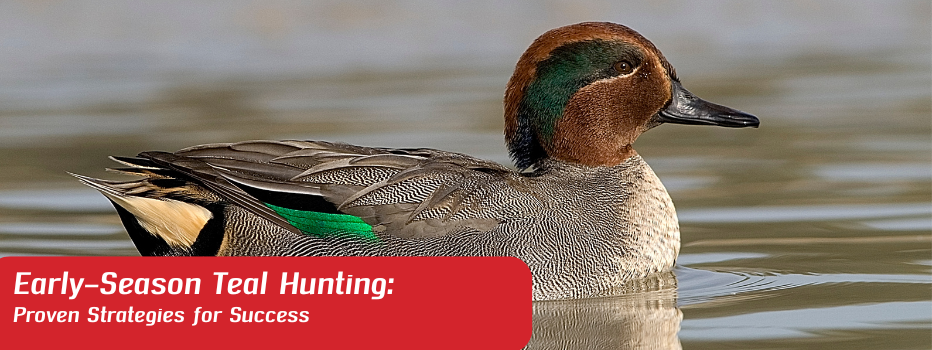
Teal, particularly blue-winged teal, are among the first migratory waterfowl to head south as temperatures begin to drop. Understanding their behavior during this early migration period is key to planning a successful hunt:
- Migration Patterns: Blue-winged teal are known for their early migration, often starting as early as late August. According to research from the U.S. Fish and Wildlife Service, these birds are highly sensitive to temperature changes, with their migration timing closely linked to cooler nights and decreasing daylight hours (USFWS, 2019). They prefer shallow wetlands and marshes where they can find abundant food and cover.
- Feeding Habits: Early in the season, teal are primarily focused on building energy reserves. They feed heavily on seeds, aquatic vegetation, and invertebrates found in shallow water bodies. These feeding habits make them more predictable if you can locate the right habitat.
- Flight Characteristics: Teal are fast and agile flyers, often skimming just above the water or vegetation. Their quick and erratic flight patterns require hunters to be on their toes and ready for fast shooting opportunities. The National Shooting Sports Foundation emphasizes that teal hunting is an excellent way to sharpen shooting skills early in the season due to the challenging nature of their flight (NSSF, 2020).
Selecting the Right Hunting Location
Choosing the right location is critical for early-season teal hunting success. Here’s how to find the best spots:
- Focus on Shallow Water Wetlands: Teal prefer shallow water environments where they can easily access food and avoid predators. Look for areas with water depths of 6-12 inches, as these are ideal for teal. According to Ducks Unlimited, wetlands with a mix of open water and emergent vegetation, such as smartweed or millet, are prime teal habitats (Ducks Unlimited, 2020).
- Scout Early and Often: Scouting is essential in the days leading up to the season opener. Teal are known for being flighty and may change locations frequently, especially if disturbed. Use binoculars to observe teal activity at dawn and dusk when they are most active. Pay attention to where they are feeding and roosting, and note the wind direction and sun angle to plan your setup accordingly.
- Public vs. Private Land: While private land often provides less pressured hunting, public wetlands can also be productive, especially if you can access less crowded areas. Early-season teal hunters often find success in areas that others overlook, such as small, isolated ponds or sloughs.
Decoy Strategies for Early-Season Teal
Decoying teal can be highly effective, but the approach needs to be tailored to their behavior during this time of year:
- Use a Modest Spread: Early in the season, teal are not yet accustomed to heavy hunting pressure, so a modest decoy spread is often sufficient. A dozen decoys, including a mix of teal and small puddle ducks like mallards, can create a convincing setup. Position the decoys in a loose, natural pattern to simulate a relaxed group of feeding birds.
- Incorporate Motion Decoys: Teal are highly responsive to motion decoys, which can help draw their attention from a distance. Spinning-wing decoys are particularly effective for early-season teal. However, be mindful of the placement—position the motion decoy slightly upwind of your static decoys to guide birds into the landing zone.
- Adjust to Conditions: As teal are small and fast, they tend to respond better to subtle decoy spreads that match the conditions. On windy days, space your decoys further apart to mimic how birds would naturally spread out in choppy water. On calm days, keep the spread tighter to simulate a more concentrated group.
Calling Techniques for Early-Season Teal
While teal are not as vocal as other waterfowl species, calling can still play a role in a successful hunt:
- Use Teal-Specific Calls: A teal whistle or peep call is effective in mimicking the soft, high-pitched vocalizations of blue-winged teal. Keep your calling light and infrequent, as overcalling can easily spook these early-season birds. The late-season aggressive calling tactics are not necessary here; subtlety is key.
- Match the Mood: Early-season teal are generally more responsive to light, reassuring calls. Use short, soft bursts of calling as birds approach, and be ready to stop calling as soon as they show interest in your decoys. This approach prevents the birds from becoming wary as they make their final approach.
Shooting Tips for Success
Teal hunting requires quick reflexes and sharp shooting skills:
- Lead and Swing: Teal are fast, and their speed can catch even experienced hunters off guard. Be prepared to lead your shots more than you would for larger ducks. A smooth, consistent swing is essential for connecting with these quick targets.
- Practice Makes Perfect: Early-season teal hunting is an excellent opportunity to sharpen your shooting skills for the rest of the waterfowl season. Consider practicing with clay targets to improve your speed and accuracy before the season starts.
- Pick Your Shots: Teal often fly in small, tight flocks, making it tempting to shoot into the group. Instead, pick a single bird and focus on that target. This discipline will increase your chances of making a clean shot and avoid crippling birds.
Concealment and Blind Setup
Teal have sharp eyesight and can quickly pick out anything unnatural in their environment:
- Natural Concealment: Utilize natural vegetation to blend into your surroundings. Early in the season, there is often plenty of green vegetation that can be used to build or enhance your blind. Camo netting and burlap can also help break up your outline, but be sure to keep movement to a minimum.
- Low-Profile Blinds: Given their low flight paths, teal will often be looking down as they approach, making a low-profile blind essential. A layout blind or a simple natural cover setup can be highly effective, especially if positioned along the edge of a wetland or among dense reeds.
Conclusion
Early-season teal hunting offers a unique and exciting challenge for waterfowl hunters. With the right preparation, location, and tactics, you can take full advantage of this early opportunity to fill your bag. By understanding teal behavior, using a carefully planned decoy spread, mastering subtle calling, and honing your shooting skills, you’ll increase your chances of success.
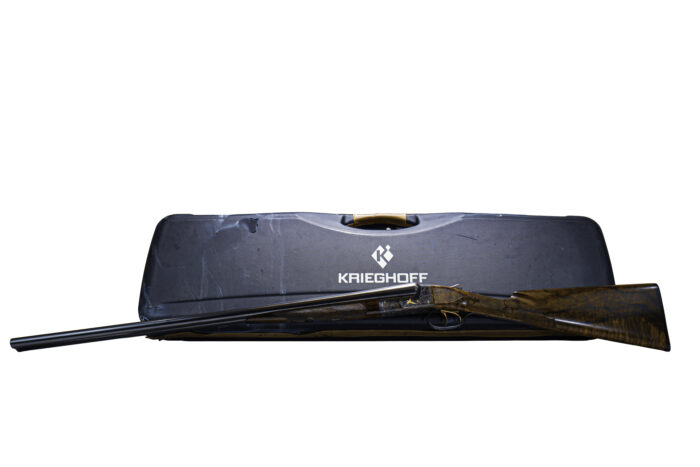
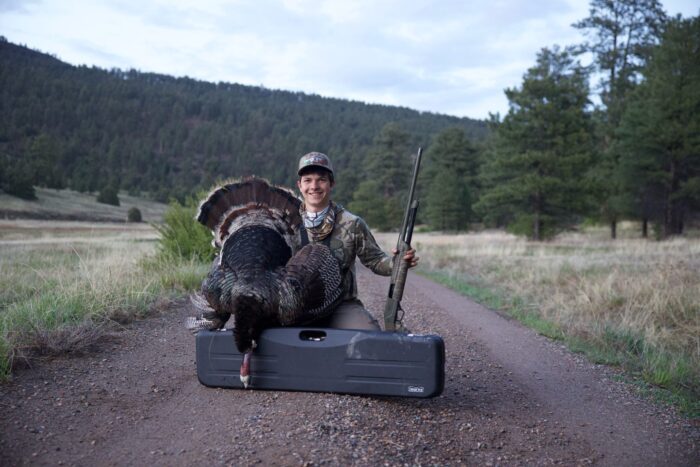
At Negrini, we know that early-season hunters demand the best from their gear. Our lightweight, durable gun cases are designed to protect your firearms in all conditions, ensuring you’re always ready for action. Equip yourself with the best, and enjoy a successful start to your waterfowl season.
References:
- U.S. Fish and Wildlife Service. (2019). Migration Patterns of Blue-Winged Teal. USFWS Report.
- Ducks Unlimited. (2020). Habitat Preferences of Early-Season Teal. Ducks Unlimited Journal.
- National Shooting Sports Foundation. (2020). Early-Season Teal Hunting: Tips and Techniques. NSSF Waterfowl Guide.