





For the seasoned hunter, success in the field is not just about mastering one weapon—it’s about becoming proficient with a range of firearms. Cross-training with pistols, rifles, and shotguns can significantly enhance your versatility, adaptability, and overall effectiveness as a hunter. In this blog, we delve into the benefits of cross-training with different firearms and offer practical, advanced techniques to integrate multiple guns into your hunting regimen.
The Strategic Advantages of Cross-Training
Cross-training with various firearms is more than just a skill-building exercise; it’s a strategic approach that prepares you for the unpredictable nature of hunting. Each type of firearm brings unique strengths to the table, and mastering all three allows you to handle diverse scenarios with confidence and precision.
Developing a Versatile Skill Set: Adaptability in the Field
Adaptability is crucial in hunting, where conditions and targets can change in an instant. By training with pistols, rifles, and shotguns, you can develop a well-rounded skill set that prepares you for any situation:
- Proficiency Across Firearms: Becoming proficient with multiple firearms enhances your ability to adapt to different hunting environments. Whether you’re hunting in thick brush where a pistol might be needed for close encounters, stalking game across open fields where a rifle’s long-range accuracy is essential, or engaging fast-moving targets in a waterfowl blind with a shotgun, cross-training ensures you’re ready for anything.
- Skill Enhancement: Each firearm type demands different techniques. Pistol shooting sharpens your speed and accuracy in tight, quick scenarios. Rifles improve your precision at long distances and teach you to account for variables like wind and bullet drop. Shotguns train you in tracking and hitting dynamic, fast-moving targets. By cross-training, you enhance a broad spectrum of skills, making you a more complete hunter.
- Problem-Solving Under Pressure: Hunting often presents unexpected challenges. Cross-training teaches you to think creatively and use the strengths of each firearm to solve problems in the field. For instance, if a shot opportunity arises at close range, your experience with a pistol might make the difference. Alternatively, if the game is at a distance, your rifle training comes into play.
Boosting Confidence and Competence: Mastery Through Familiarity
Confidence in the field is built on familiarity and competence with your equipment. The more comfortable you are with different firearms, the more effective you’ll be:
- Increased Confidence: Handling multiple firearms builds confidence in your abilities. You’ll approach each hunt knowing that you have the skills and knowledge to use the right tool for the job, no matter the circumstances. This confidence translates into more decisive and effective action in the field.
- Comprehensive Knowledge: Cross-training provides a deeper understanding of ballistics, mechanics, and techniques specific to each firearm type. For example, understanding the ballistic differences between pistol, rifle, and shotgun rounds allows you to choose the appropriate weapon based on the distance, type of game, and environmental factors .
- Stress Management: Familiarity with different firearms helps you remain calm and focused under pressure. When you’re accustomed to switching between a pistol, rifle, and shotgun, you’re less likely to panic in a high-stress situation, as you know you can rely on your cross-trained skills.
Advanced Cross-Training Techniques
To truly master cross-training, it’s important to practice specific drills that hone your abilities with each firearm. Here’s how to approach training with pistols, rifles, and shotguns to maximize your hunting performance.
Pistol Drills for Precision and Speed
Pistols are often underutilized in hunting, but they offer critical advantages in close-quarters situations:
- Draw and Fire: Practice drawing from a holster and firing quickly and accurately. This drill improves your reaction time and ensures you can deliver a precise shot when game appears unexpectedly at close range. Regular practice helps build muscle memory, so your movements become second nature.
- Controlled Pairs: Work on delivering two accurate shots in rapid succession. This drill is especially useful for situations where multiple quick shots are required, such as when hunting small game or in defense against aggressive predators .
- Moving Targets: Engage moving targets to simulate dynamic hunting scenarios. This drill enhances your ability to track and hit moving game, a skill that is particularly important in close encounters where animals are likely to be on the move.
Rifle Drills for Long-Range Accuracy
Rifle shooting is a fundamental skill for hunters pursuing game at long distances. Precision is key:
- Zeroing Practice: Regularly confirm your rifle’s zero to ensure consistent accuracy. This practice should be done at the distances you expect to encounter game, taking into account environmental factors like wind and elevation .
- Distance Drills: Practice shooting at varying distances to improve your range estimation and shot placement. Start with known distances and gradually move to unknown distances to challenge your ability to judge range accurately. This drill is invaluable when hunting in open country, where shots can range from close to several hundred yards.
- Wind Reading: Develop your ability to read wind conditions and adjust your aim accordingly. Use wind flags or natural indicators (like grass or leaves) to practice compensating for wind drift. Understanding how wind affects your bullet’s trajectory is crucial for making accurate long-range shots.
Shotgun Drills for Dynamic Targets
Shotguns are essential for hunting fast-moving game, such as birds or small mammals. These drills will sharpen your ability to hit targets on the move:
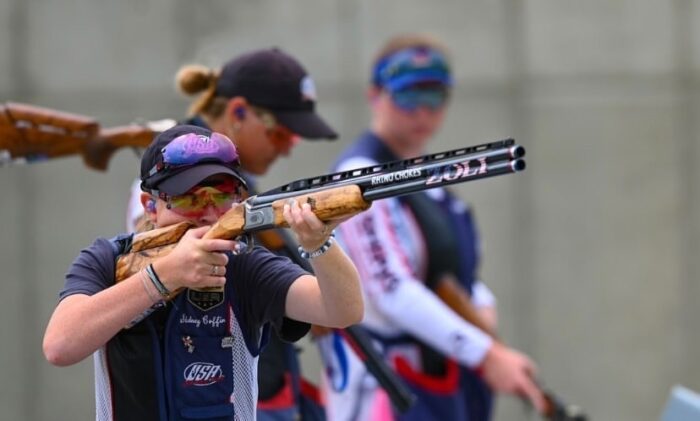
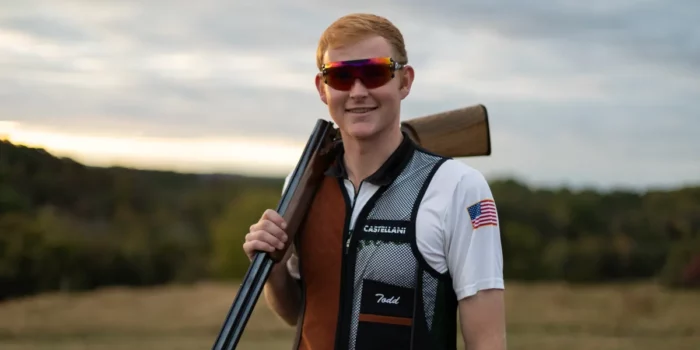
- Clay Shooting: Use clay targets to practice tracking and shooting moving targets. This drill simulates the flight patterns of birds, improving your hand-eye coordination and reaction time. Vary the speed and angle of the clays to mimic different hunting scenarios .
- Reload Drills: Practice quick and efficient reloading techniques. Being able to reload under pressure is critical, especially when hunting birds in flight or when multiple shots are needed in quick succession. Set up timed drills to push your speed and efficiency.
- Pattern Testing: Test different chokes and loads to find the optimal combination for your shotgun. Understanding how your shotgun patterns at various distances will help you choose the right setup for different types of game and hunting conditions.
Integrating Firearms for Comprehensive Hunting
Cross-training is most effective when integrated into your overall hunting routine. Here’s how to create a balanced and effective cross-training regimen:
Building a Cross-Training Routine: Balanced and Realistic
Creating a routine that incorporates all three firearm types ensures well-rounded skill development:
- Balanced Practice: Allocate time for each firearm type in your training schedule. For example, you might dedicate certain days of the week to pistols, others to rifles, and still others to shotguns. This balanced approach prevents over-specialization and ensures you maintain proficiency across the board.
- Scenario-Based Training: Simulate real-world hunting scenarios that require the use of different firearms. For example, you could set up a course where you transition from long-range rifle shots to close-range pistol shots, followed by tracking and shooting a fast-moving target with a shotgun. These scenarios prepare you for the unpredictable nature of hunting in the wild.
- Progress Tracking: Keep a log of your training sessions to monitor your progress. Note areas where you excel and those that need improvement, and adjust your routine accordingly. This methodical approach ensures continuous development and refinement of your skills.
Gear Management and Transition Skills: Efficiency in the Field
Managing multiple firearms in a hunting situation requires organization and quick transitions:
- Organized Setup: Keep your gear organized and easily accessible during hunts. This might involve using a specialized vest or belt that allows you to carry both your primary and secondary firearms, along with the necessary ammunition and tools. An organized setup reduces the time spent fumbling for gear and increases your readiness .
- Transition Drills: Practice transitioning between firearms smoothly and efficiently. For example, work on quickly switching from a rifle to a pistol when the game suddenly appears at close range, or from a shotgun to a rifle when you need to take a long-distance shot. These drills build the muscle memory needed for fluid transitions in the field.
- Equipment Compatibility: Ensure that your gear is compatible with all the firearms you plan to use. This includes everything from holsters and slings to ammunition pouches and scopes. Compatibility reduces the likelihood of gear malfunctions and ensures that you can seamlessly switch between weapons as needed.
Conclusion
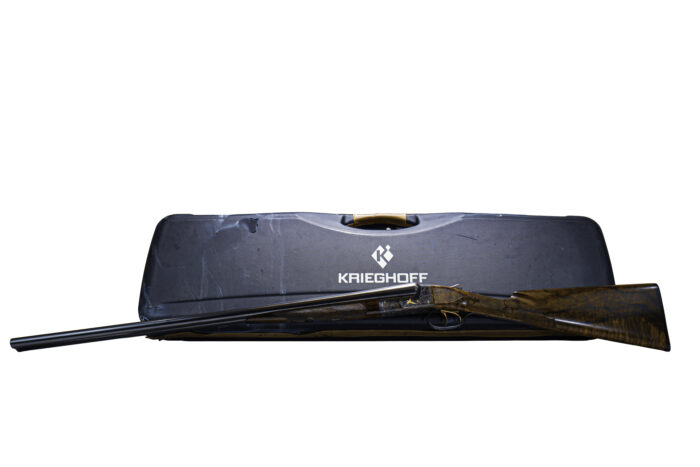
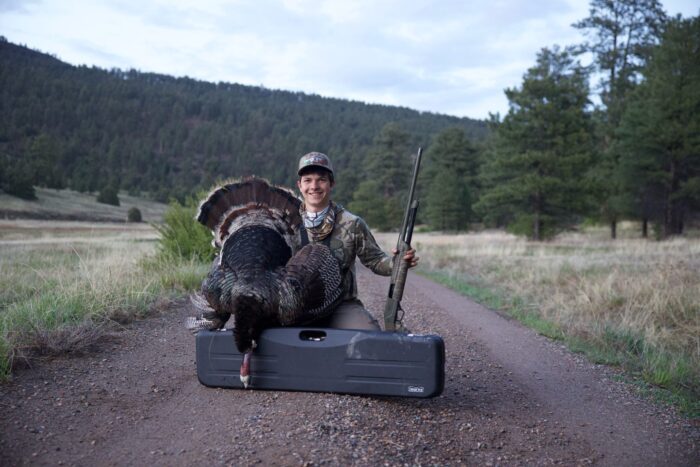
Cross-training with pistols, rifles, and shotguns is not just a method for becoming a more versatile hunter—it’s a pathway to mastering the art of adaptability in the field. By developing a comprehensive skill set, integrating multiple firearms into your routine, and fine-tuning your gear management, you can significantly enhance your hunting performance. Negrini offers high-quality cases that protect your diverse range of firearms, ensuring that no matter what you bring to the hunt, your gear is safe and ready for action. Equip yourself with Negrini and elevate your hunting game to new heights.
References:
- Ayoob, M. (2017). Gun Digest Book of Combat Handgunnery, 7th Edition. Gun Digest Books.
- Roster, T. (2020). Advanced Shotgun Techniques for Hunting. Shooting Sportsman Magazine. Retrieved from Shooting Sportsman.
- Spomer, R. (2018). The Perfect Hunting Rifle: Balancing Accuracy, Versatility, and Compatibility. American Hunter Magazine. Retrieved from American Hunter.