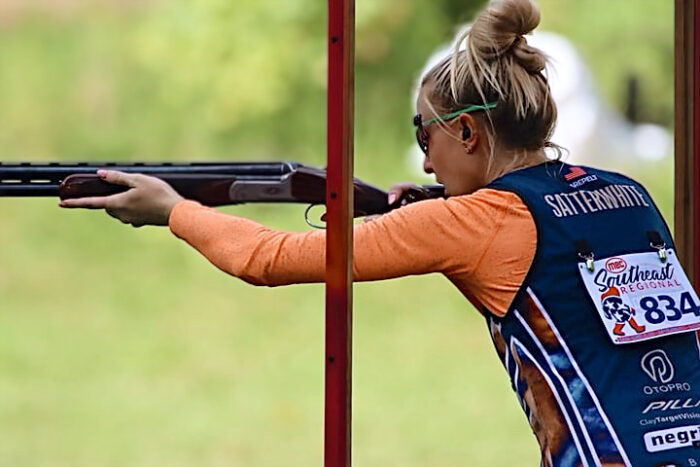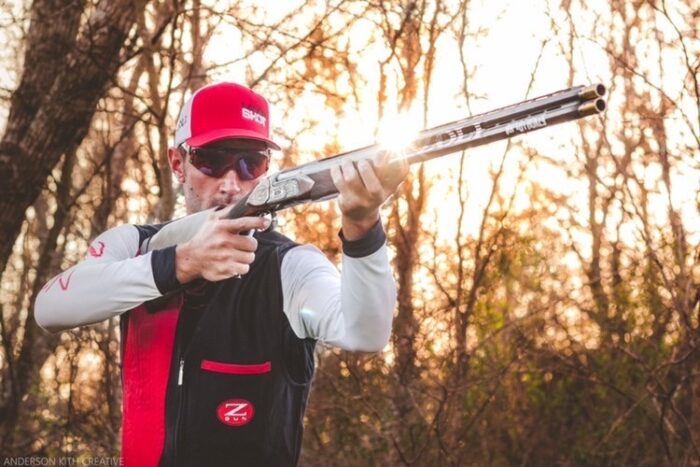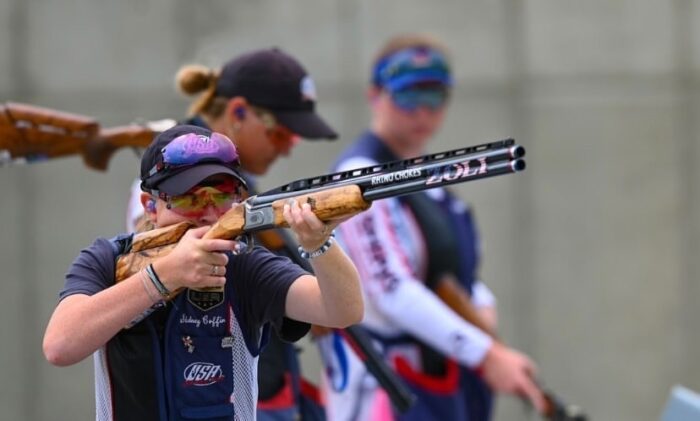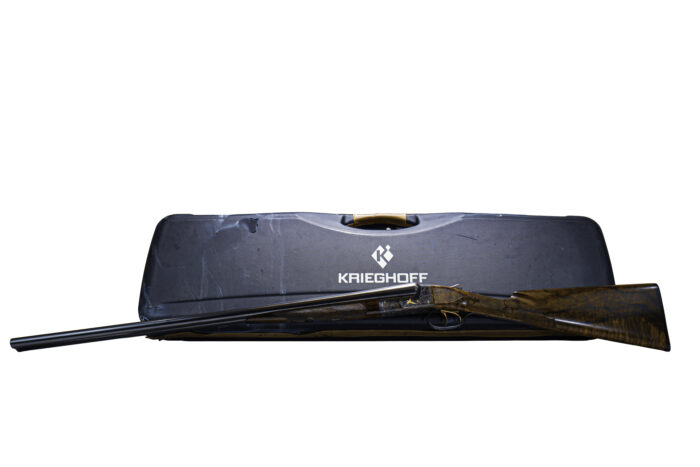






In competitive shooting and hunting, a perfectly fitted shotgun can mean the difference between success and frustration. While some shooters can adapt to an off-the-shelf shotgun, achieving peak performance requires customizing the firearm to fit the shooter—not the other way around. This process, known as shotgun fitting, involves tailoring the stock, comb, cast, and other elements to align with the shooter’s unique physique and style. In this article, we dive into the science behind custom fitting, explore its benefits, and offer expert-backed insights into achieving an optimal fit.
Why Custom Fitting Matters
- Improved Accuracy
A properly fitted shotgun ensures that the shooter’s eye naturally aligns with the rib, creating a seamless connection between sightline and target. Misalignment can cause the shot pattern to veer off target, even if the shooter has excellent technique. - Reduced Recoil Impact
A gun that fits correctly distributes recoil more effectively, minimizing felt impact and reducing fatigue during long shooting sessions. - Enhanced Comfort
Custom fitting eliminates the need for the shooter to compensate for poor ergonomics, allowing for a more natural and comfortable shooting experience.
Expert Insight:
“Fitting a shotgun is like tailoring a suit. A proper fit enhances your performance and confidence, allowing you to focus entirely on the target,” says Don Currie, NSCA chief instructor (Clay Shooting USA, 2020).
Key Elements of Shotgun Fitting
- Stock Dimensions
The stock is the foundation of shotgun fit and affects everything from eye alignment to recoil absorption.- Length of Pull (LOP): The distance from the trigger to the end of the buttstock.
- Too Short: Causes the shooter to hunch, disrupting balance and aim.
- Too Long: Forces the shooter to stretch, reducing control.
- Drop at Comb: Determines the height of the stock where the cheek rests.
- Proper Drop: Ensures that the eye aligns naturally with the rib.
- Adjustable Combs: Allow for fine-tuning of the drop to suit individual preferences.
- Pitch: Refers to the angle of the stock’s butt plate in relation to the barrel.
- Optimal Pitch: Distributes recoil evenly across the shoulder for greater comfort.
- Length of Pull (LOP): The distance from the trigger to the end of the buttstock.
- Cast
Cast refers to the lateral alignment of the stock and is adjusted to match the shooter’s dominant eye and natural stance.- Cast-On: Tailored for left-handed shooters.
- Cast-Off: Designed for right-handed shooters.
- Grip and Forearm
The size and shape of the grip and forearm influence handling and control.- Palm Swells: Offer a better grip for shooters with larger hands.
- Slim Forearms: Preferred by shooters who value lightweight, agile handling.
The Fitting Process: Step by Step
- Initial Assessment
The process begins with a detailed evaluation of the shooter’s physique, shooting stance, and dominant eye.- Eye Dominance Test: Ensures the shotgun aligns with the dominant eye.
- Posture and Stance Analysis: Identifies any ergonomic mismatches between the shooter and the firearm.
- Test Shots
Shooters test their firearm on a patterning board to evaluate alignment.- A properly fitted shotgun should place the center of the pattern exactly where the shooter is aiming.
- Misalignment indicates adjustments are necessary.
- Adjustments and Modifications
Using tools such as adjustable combs, spacers, or custom stocks, gunsmiths fine-tune the shotgun’s dimensions.- Stock Bending: Adjusts cast and drop to achieve optimal alignment.
- Recoil Pads: Customized pads can modify the length of pull and improve recoil absorption.
- Follow-Up Testing
After modifications, the shooter tests the shotgun again to confirm improvements in fit and performance.
Expert Quote:
“Fitting isn’t a one-and-done process. It requires testing, tweaking, and ensuring the changes enhance performance in real-world conditions,” explains Wendell Cherry, national champion (Shooting Sportsman, 2019).
Tools and Technology in Modern Fitting
- Laser Fitting Tools
Modern fitting often employs laser alignment systems to ensure precise adjustments. These tools measure the shooter’s natural sightline and calculate the necessary modifications. - Adjustable Stocks
Many high-end shotguns, such as the Beretta DT11, feature factory-installed adjustable stocks. These allow shooters to experiment with different settings before committing to permanent changes. - Digital Pattern Analysis
Software solutions analyze shot patterns for inconsistencies, providing data-driven insights into alignment and choke performance.
The Science Behind Fit and Recoil Management
- Recoil Dynamics
Custom fitting not only improves comfort but also enhances energy distribution during recoil.- Proper Stock Fit: Reduces muzzle jump and helps maintain control for faster follow-up shots.
- Recoil Pads: High-quality pads, such as those made from gel or memory foam, further dampen felt recoil.
- Balance and Swing Dynamics
A well-fitted shotgun has balanced weight distribution, ensuring smooth swing dynamics.- Forward-Balanced Guns: Preferred for clay sports requiring sustained leads.
- Neutral Balance: Ideal for fast-paced shooting like skeet or upland hunting.
Benefits for Competitive Shooters and Hunters
- Competitive Edge
In disciplines like trap and sporting clays, where fractions of an inch can determine success, custom fitting ensures consistent accuracy and confidence. - Endurance for Hunters
Hunters benefit from reduced fatigue and improved handling during long days in the field. Proper fit ensures quick, instinctive shots with minimal adjustment. - Adaptability to Changing Needs
Adjustable stocks and modular fittings allow shooters to adapt their shotgun to different events or physical changes over time.
Common Mistakes in Shotgun Fitting
- Ignoring Eye Dominance
A mismatch between eye dominance and shotgun alignment is one of the most common issues affecting accuracy. - Overlooking Recoil Management
Many shooters focus solely on alignment and neglect the importance of managing recoil for comfort and performance. - Assuming One-Size-Fits-All
Factory-standard stocks rarely fit most shooters perfectly. Customization is essential for achieving peak performance.
A well-fitted shotgun transforms the shooting experience, allowing the firearm to become an extension of the shooter. By understanding the science of stock dimensions, cast, recoil management, and swing dynamics, shooters can achieve greater accuracy, comfort, and confidence in every shot. Whether you’re a competitive shooter chasing podium finishes or a hunter pursuing game, investing in custom fitting ensures you’re always performing at your best.
References
- Currie, Don. “The Art of Shotgun Fitting.” Clay Shooting USA, 2020, www.clayshootingusa.com.
- Cherry, Wendell. “Tailoring Shotguns for Competitive Advantage.” Shooting Sportsman, 2019, www.shootingsportsman.com.
- Ash, Gil. “Fitting for Performance: The Key to Consistency.” Shotgun Life, 2020, www.shotgunlife.com.
National Skeet Shooting Association. Annual Report 2022. NSSA, 2022, www.nssa-nsca.org.