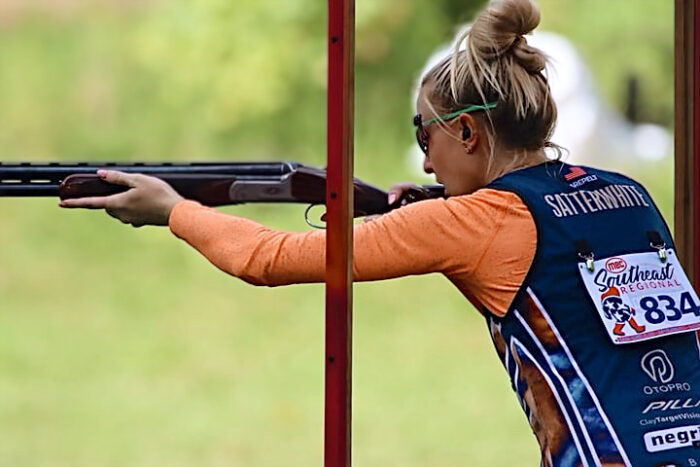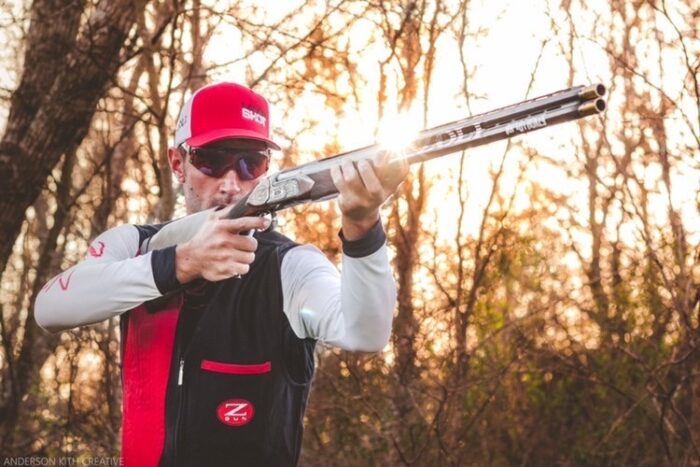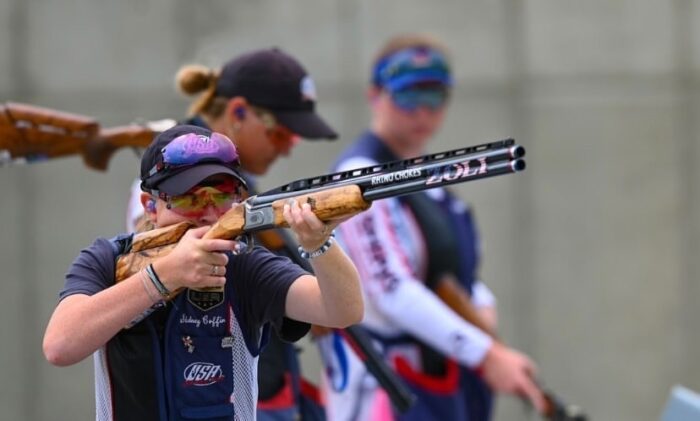





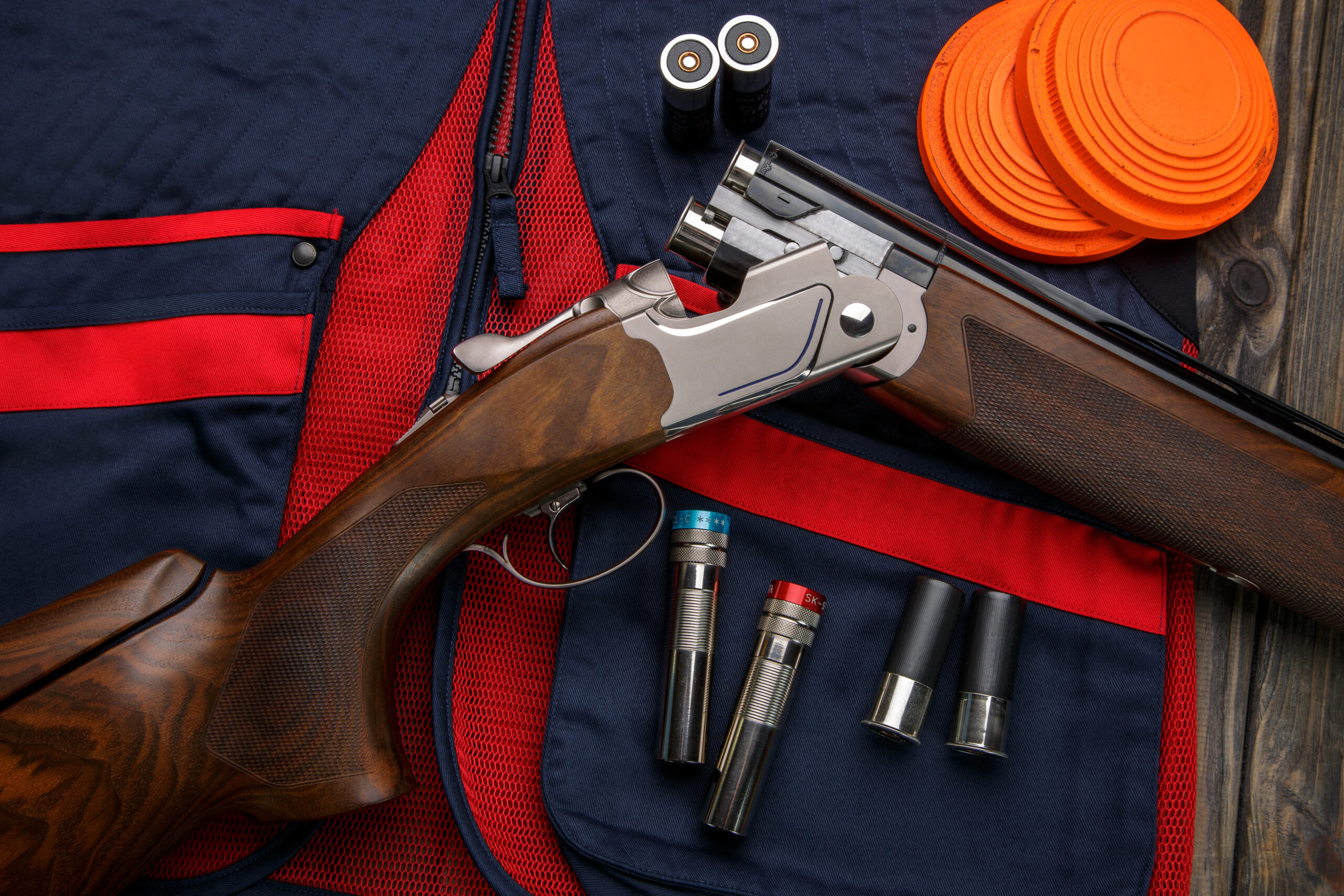
Sub-gauge events in competitive shooting have seen a meteoric rise in popularity over the past decade, drawing shooters eager to test their skills with smaller-gauge shotguns like 20, 28, and .410. These events, often featured in skeet, sporting clays, and upland-style competitions, demand precise handling, shot placement, and adaptability. Mastering sub-gauge events requires not only skill but also strategic preparation tailored to the unique characteristics of smaller gauges.
Why Sub-Gauge Events Are Gaining Popularity
Sub-gauge competitions appeal to shooters for several reasons:
- Enhanced Challenge: Smaller gauges require greater precision due to tighter shot patterns and lower pellet counts.
- Reduced Recoil: Sub-gauge shotguns offer lower recoil, making them ideal for prolonged shooting sessions.
- Broader Opportunities: Many organizations, such as the National Skeet Shooting Association (NSSA), feature sub-gauge events as part of their standard competition lineup.
- Versatility in the Field: Sub-gauge shotguns mirror real-world hunting scenarios, such as pursuing upland game with 28-gauge or .410.
According to the NSSA’s 2022 Annual Report, participation in sub-gauge events has increased by over 40% in the past decade, highlighting their growing significance (NSSA Annual Report, 2022).
Understanding the Challenges of Sub-Gauge Shotguns
- Reduced Pellet Counts:
Sub-gauge shells contain fewer pellets than their 12-gauge counterparts, resulting in smaller and more spread-out patterns. For instance:- A 12-gauge shell typically holds 1-1/8 oz. of shot, whereas a 28-gauge shell holds only 3/4 oz.
- The tighter patterns require pinpoint accuracy, particularly at longer ranges.
- Lower Velocity:
Smaller gauges often produce lower muzzle velocities, which means targets have more time to move, making lead estimation critical. - Lightweight Design:
While sub-gauge shotguns are easier to carry, their reduced weight can magnify recoil for lighter shooters, especially with high-velocity loads.
Training Tips for Sub-Gauge Success
1. Focus on Fundamentals
Sub-gauge shotguns amplify errors in swing, timing, and follow-through. To achieve consistent accuracy:
- Maintain Proper Mount: A precise mount ensures the gun aligns perfectly with your sightline, a critical factor given the smaller pattern size.
- Refine Your Stance: Balance and stability are key. The lighter weight of sub-gauge shotguns requires extra attention to posture to prevent over-swinging.
- Practice Smooth Transitions: Sub-gauge events often demand rapid, controlled movements. A deliberate and smooth swing is crucial for maintaining pattern focus.
2. Pattern Your Shotgun
Understanding your shotgun’s pattern at various distances is critical.
- Test Your Loads: Use a 30-inch patterning board to evaluate density and spread at 20, 30, and 40 yards.
- Experiment with Chokes: Sub-gauge shotguns often benefit from more open chokes (e.g., improved cylinder or modified) to maximize pellet spread.
According to Don Currie, chief instructor of the NSCA, “Pattern testing is essential for sub-gauge success. Without it, you’re relying on guesswork” (Clay Shooting USA, 2020).
3. Build Muscle Memory
Consistency is critical in sub-gauge events, where even minor deviations can result in misses. Incorporate high-volume drills to reinforce muscle memory:
- Single-Target Drills: Focus on hitting stationary or slow-moving clays to refine accuracy.
- Lead and Follow-Through Exercises: Practice maintaining lead on crossing targets, a common challenge with lower pellet counts.
4. Use Sub-Gauge Simulators
Many shooters train for sub-gauge events using full-size shotguns with sub-gauge tube sets. These simulators allow for gauge-specific practice while retaining the handling of a familiar firearm.
Strategies for Competitive Success
1. Adapt to Gauge-Specific Characteristics
Each sub-gauge has unique traits that require tailored strategies:
- 20-Gauge: Offers versatility with manageable recoil and sufficient shot payload. Ideal for transitioning from 12-gauge events.
- 28-Gauge: Known for its balance of light weight and effectiveness, this gauge is a favorite for sporting clays.
- .410 Bore: Requires exceptional accuracy due to minimal shot payload. Best suited for experienced shooters.
2. Prioritize Shot Placement Over Power
With smaller gauges, shot placement is critical. Focus on visualizing the target’s path and aligning your shot precisely.
3. Train for Specific Scenarios
Simulate common sub-gauge challenges in your practice sessions:
- Crossing Targets: Practice estimating lead for fast-moving clays.
- Rising Targets: Sub-gauge shotguns require precise timing for upward-moving shots, often seen in upland hunting simulations.
4. Optimize Your Gear
Lightweight shotguns can feel unbalanced, so consider:
- Adjustable Weights: Add barrel weights to stabilize swing.
- Recoil Pads: Invest in high-quality recoil pads to mitigate felt recoil.
The Psychological Edge in Sub-Gauge Events
Sub-gauge competitions often require a mental shift. Shooters accustomed to the forgiving patterns of a 12-gauge may struggle initially with smaller gauges. To build confidence:
- Set Realistic Goals: Focus on incremental improvement rather than perfection.
- Visualize Success: Mental rehearsal can enhance focus and reduce anxiety during competitions.
- Embrace the Challenge: View sub-gauge events as an opportunity to refine your skills rather than as a limitation.
Expert Insights and Takeaways
- Consistency Is Key: “Sub-gauge events reward precision and repeatable technique over raw power. Practice with a purpose,” advises Wendell Cherry, a national champion (Shooting Sportsman, 2019).
- Invest in Gear: Properly fitting shotguns and tailored chokes are essential for success.
- Pattern Your Loads: Ensure your ammunition and choke selection align with your goals for each event.
Mastering sub-gauge events requires a combination of technical skill, strategic preparation, and mental discipline. By refining fundamentals, tailoring your training to gauge-specific challenges, and investing in quality gear, you can elevate your performance and enjoy the unique thrill of sub-gauge competition. Whether you’re chasing a podium finish or refining your shooting skills, sub-gauge events offer an unparalleled opportunity to challenge yourself and grow as a competitor.
References
- National Skeet Shooting Association. Annual Report 2022. NSSA, 2022, www.nssa-nsca.org.
- Currie, Don. “Pattern Testing for Competitive Shooters.” Clay Shooting USA, 2020, www.clayshootingusa.com.
- Cherry, Wendell. “Refining Sub-Gauge Technique.” Shooting Sportsman, 2019, www.shootingsportsman.com.
Jones, Andrew. “The Science of Shot Patterns.” Precision Shooting Journal, 2021, www.precisionshootingjournal.com.