




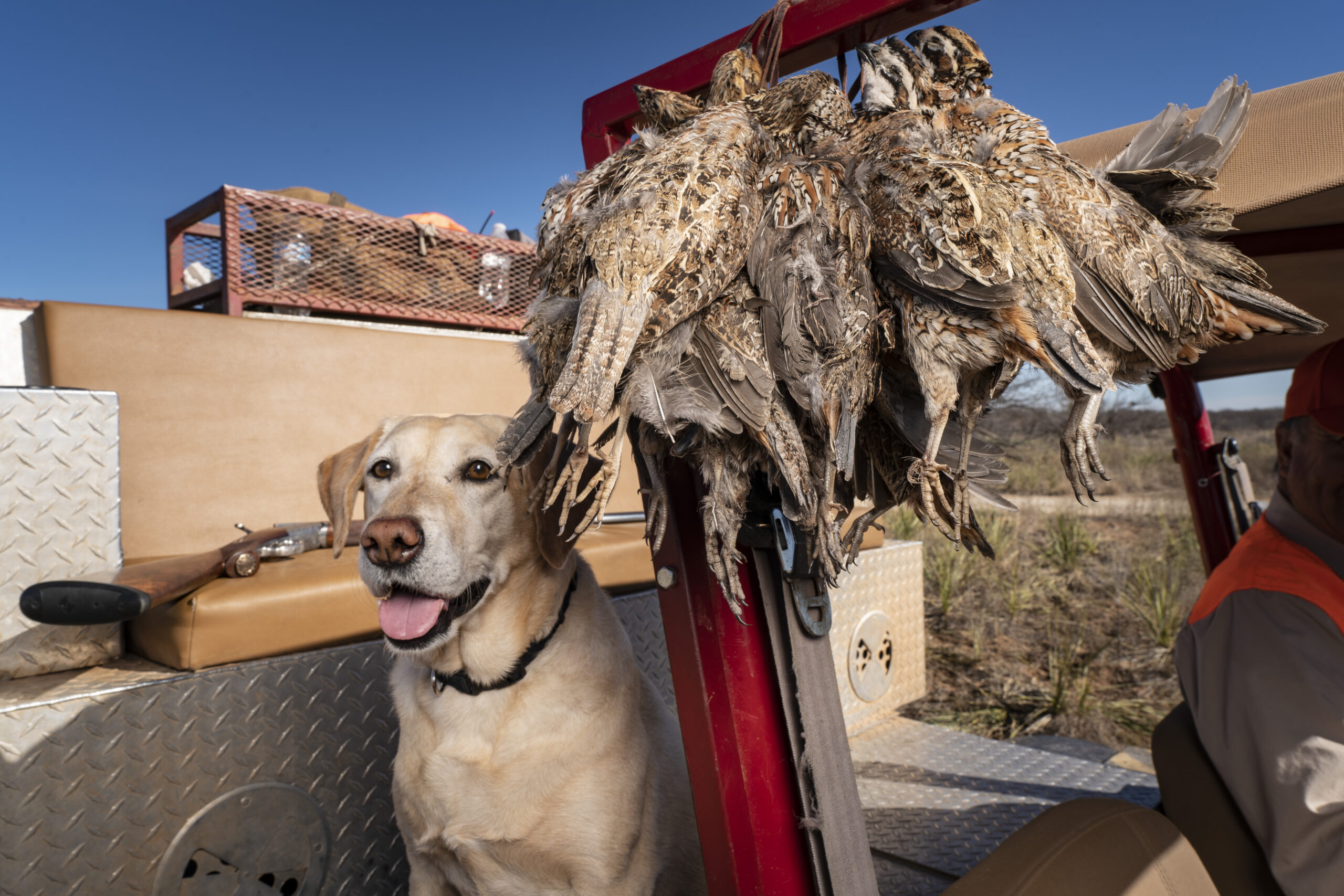
Upland hunting is as much an art as it is a sport, requiring sharp reflexes, refined instincts, and precision shooting to succeed. Pheasants and quail, with their erratic flushes and unpredictable flight paths, present unique challenges even for seasoned hunters. Mastering the flush requires more than just instinct—it demands advanced techniques, an understanding of bird behavior, and the ability to adapt to varying conditions. This article delves into the mechanics of swing, lead, and follow-through, offering expert strategies to improve accuracy and ensure ethical shots in even the most challenging scenarios.
Understanding the Flush: What Makes Pheasants and Quail Unique
- Pheasant Behavior
Pheasants are notorious for their explosive, direct flushes.- Flight Pattern: Typically, pheasants launch straight ahead with powerful wingbeats, followed by glides. They often head for dense cover or open fields to escape.
- Challenges: The flush is fast and loud, startling many hunters. Their size and flight speed require quick target acquisition and precise shooting.
- Quail Behavior
Quail flush in tight coveys, scattering unpredictably in multiple directions.- Flight Pattern: Quail are known for their rapid, zigzagging flight paths, making them difficult to track.
- Challenges: The chaos of a covey rise can overwhelm even experienced hunters, leading to rushed or poorly placed shots.
The Mechanics of Precision Shooting
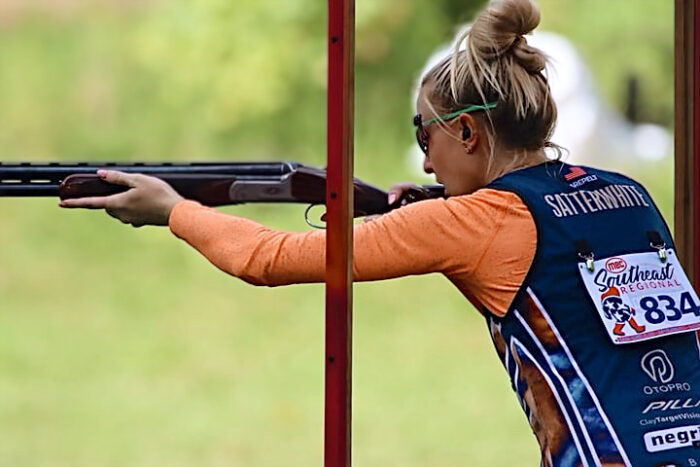
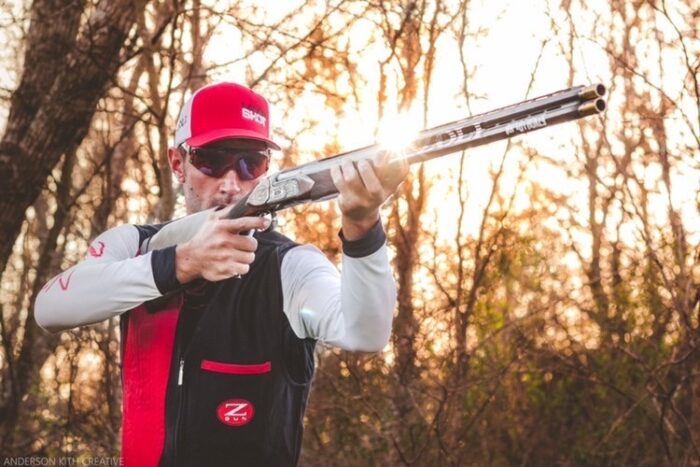
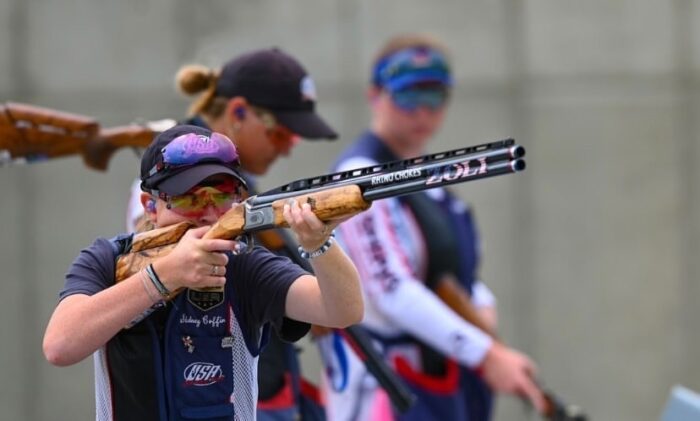
Successful upland shooting is built on three foundational elements: swing, lead, and follow-through. Each must work seamlessly to deliver accurate, ethical shots.
- Swing
- Why It Matters: The swing guides your barrel along the bird’s flight path. A smooth, controlled swing ensures consistent target tracking.
- Technique:
- Mount the shotgun smoothly to your shoulder while keeping your eyes on the bird.
- Match the speed of your swing to the bird’s flight, avoiding jerky or rushed movements.
- Use your torso, not just your arms, to create a fluid motion.
- Expert Insight: “An erratic swing disrupts your rhythm and timing. Think of your swing as an extension of the bird’s motion—fluid and uninterrupted,” advises Wendell Cherry, sporting clays champion (Shooting Sportsman, 2021).
- Lead
- Why It Matters: Proper lead compensates for the bird’s speed and distance, ensuring your shot intersects its flight path.
- Types of Lead Techniques:
- Sustained Lead: Keep the muzzle ahead of the bird throughout the shot. Ideal for predictable pheasant flushes.
- Swing-Through: Start behind the bird, swing forward through it, and fire as you pass. Effective for quail and other erratic flyers.
- Pull-Ahead: Begin on the bird, then accelerate the muzzle ahead before firing. Best for mid-range shots.
- Key Considerations:
- Distance: The farther the bird, the greater the lead.
- Speed: Faster birds require more aggressive leads.
- Expert Insight: “One of the biggest mistakes hunters make is underestimating lead, especially on crossing shots. Give the bird room to ‘fly into the shot,’” explains Gil Ash, founder of Optimum Shotgun Performance (Shotgun Life, 2020).
- Follow-Through
- Why It Matters: Stopping your swing prematurely is one of the most common causes of missed shots. Follow-through ensures the shot pattern aligns with the bird’s trajectory.
- Technique:
- After firing, continue your swing as if you’re still tracking the bird.
- Focus on a smooth, deliberate motion—don’t “snap” to a stop.
- Drill for Improvement: Practice on a skeet field, intentionally exaggerating your follow-through to build muscle memory.
Handling Challenging Scenarios
- Wild Flushes in Thick Cover
- Challenges: In dense cover, birds flush suddenly and unpredictably, often with limited visibility.
- Techniques:
- Stay alert and ready at all times. Keep your shotgun in a low-ready position for faster mounting.
- Focus on sound and movement to anticipate the flush.
- Use instinctive shooting for close-range targets.
- Covey Rises
- Challenges: The chaos of multiple birds flushing can overwhelm even experienced hunters.
- Techniques:
- Pick one bird and commit to it. Avoid the temptation to swing between multiple targets.
- Stay calm and rely on your pre-shot routine to maintain focus.
- Use a swing-through lead to track and shoot erratic birds.
- Long-Range Pheasant Shots
- Challenges: Pheasants flushed at a distance require precise leads and follow-through.
- Techniques:
- Opt for tighter chokes and heavier loads (e.g., 4 or 5 shot) to maintain pattern density at longer ranges.
- Employ a sustained lead to track the bird’s path over distance.
- Focus on consistent follow-through to ensure pattern placement.
Choosing the Right Shotgun for the Job
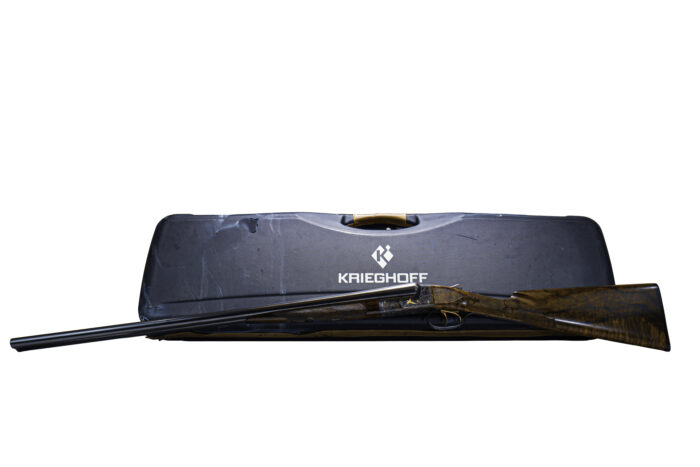
- Double-Gun Advantages
- Quick access to a second shot, ideal for covey rises or follow-up on flushing pheasants.
- Lightweight and well-balanced, making them perfect for carrying long distances in the field.
- Pump-Action Benefits
- Reliable and versatile, with the ability to load multiple shells for extended shooting opportunities.
- Offers more flexibility for varied scenarios, including thick cover and longer shots.
- Gauge Considerations
- 12-Gauge: Best for pheasants and long-range shots due to its power and versatility.
- 20-Gauge: Lightweight and fast-handling, making it ideal for quail and upland hunting in general.
Advanced Practice Techniques
- Skeet and Sporting Clays Drills
- Simulate crossing, flushing, and quartering shots on a clays course.
- Focus on swing and follow-through consistency.
- Live Flush Simulations
- Use a bird launcher to practice tracking real birds in controlled conditions.
- Pattern Testing
- Test your shotgun’s performance with different chokes and loads at typical hunting distances to ensure consistent patterns.
Expert Advice
- Wendell Cherry: “Precision shooting starts with precision thinking. Be deliberate in your movements, confident in your lead, and unwavering in your follow-through” (Shooting Sportsman, 2021).
- Gil Ash: “Don’t overthink the shot. Trust your instincts and let your training guide you when the bird flushes” (Shotgun Life, 2020).
- Lisa Walker: “In thick cover or challenging conditions, staying calm and collected is your greatest weapon” (Field & Stream, 2021).
Mastering the flush is about more than instinct—it’s a combination of refined technique, disciplined practice, and the right mindset. By focusing on the mechanics of swing, lead, and follow-through, and by adapting to challenging scenarios, you can elevate your upland hunting skills to new heights. Whether you’re taking on the chaos of a quail covey rise or tracking a distant pheasant, precision shooting ensures both ethical harvests and unforgettable hunts.
References
- Cherry, Wendell. “Precision in the Field: Advanced Shooting for Upland Birds.” Shooting Sportsman, 2021, www.shootingsportsman.com.
- Ash, Gil. “Mastering Lead and Follow-Through in Upland Hunting.” Shotgun Life, 2020, www.shotgunlife.com.
- Walker, Lisa. “Advanced Strategies for Wild Flushes.” Field & Stream, 2021, www.fieldandstream.com.
- Journal of Applied Sports Mechanics. “Swing Dynamics and Lead Timing in Shotgun Sports.” 2020, www.sportsmechanicsjournal.com.