





Mule deer hunting in the high country is an experience that tests even the most seasoned hunters. These elusive animals, known for their impressive antlers and preference for rugged, elevated terrain, require a mix of physical endurance, patience, and advanced hunting techniques. For those looking to take on the challenge of spot-and-stalk mule deer hunting, mastering the art of navigating high-altitude environments is crucial for success. In this blog, we’ll explore advanced strategies for spotting and stalking mule deer in the high country, with a focus on effective glassing techniques, understanding mule deer behavior, using terrain to your advantage, and protecting your valuable firearms with Negrini cases.
Understanding Mule Deer Behavior in the High Country
Mule deer are creatures of habit, but their behaviors are heavily influenced by the challenging environments they inhabit. In high-altitude regions, mule deer adapt their daily routines to the landscape, food availability, and weather conditions.
1. Daily Movement Patterns
Mule deer are most active during the early morning and late evening, a behavior known as crepuscular activity. During these times, they move from bedding areas to feeding zones and back, often using the cover of dawn and dusk to avoid predators.
- Feeding Areas: In high country environments, mule deer typically feed on alpine grasses, shrubs, and forbs. These feeding areas are often found in meadows, open slopes, and other spots where vegetation is plentiful. According to The Journal of Wildlife Management, mule deer in high-altitude environments prefer feeding in areas with a mix of open spaces and nearby cover, which allows them to quickly retreat to safety if threatened (The Journal of Wildlife Management, 2018).
- Bedding Areas: Mule deer choose bedding sites that offer both comfort and security. In the high country, these areas are often located on steep slopes, ridgelines, or in dense patches of timber where they can see or smell approaching predators from a distance. The thermal cover provided by these areas also helps them stay warm during colder months.
2. Seasonal Behavior Changes
Mule deer behavior changes significantly with the seasons, particularly in response to weather and hunting pressure.
- Early Season: During the early season, mule deer are more relaxed and less pressured, often staying in higher elevations where they can avoid the heat and find ample food. Bucks are typically in bachelor groups and can be more predictable in their movements.
- Pre-Rut and Rut: As the rut approaches, bucks become more solitary and start to move more frequently in search of does. This increased movement can make them easier to spot but also more challenging to stalk as they cover more ground.
- Late Season: In the late season, mule deer move to lower elevations in search of food as snow begins to cover their summer ranges. During this time, bucks are often worn out from the rut and are focused on feeding, making them more predictable in their patterns but also more wary due to hunting pressure.
Advanced Glassing Techniques
Effective glassing is the cornerstone of successful spot-and-stalk mule deer hunting. In the high country, where visibility can be both a blessing and a curse, mastering your glassing techniques is essential.
1. Selecting the Right Optics
High-quality optics are a must for spotting mule deer in the expansive landscapes of the high country. Binoculars and spotting scopes with superior clarity, magnification, and light-gathering capabilities are essential.
- Binoculars: A pair of 10×42 or 12×50 binoculars are ideal for scanning large areas and picking up movement from a distance. According to Field & Stream, binoculars with a wide field of view allow you to cover more ground quickly while still providing enough magnification to identify deer from far away (Field & Stream, 2020).
- Spotting Scopes: A spotting scope with 20-60x magnification is perfect for getting a closer look at potential targets once you’ve spotted them with your binoculars. The ability to identify trophy bucks from a distance can save you time and energy, ensuring that you only pursue animals that meet your criteria.
2. Glassing Techniques
Glassing effectively requires both patience and a methodical approach. Here are some advanced glassing techniques to help you maximize your success:
- Grid Method: Break the landscape into a grid and systematically glass each section, ensuring you don’t miss any potential targets. Start with areas that are most likely to hold deer, such as open meadows, slopes with south-facing aspects, and areas near water sources.
- Prime Times: Focus your glassing efforts during prime times—early morning and late evening—when mule deer are most likely to be on the move. Position yourself in a spot that offers a commanding view of likely feeding or bedding areas, and glass these areas thoroughly.
- Patience and Persistence: Mule deer can be incredibly difficult to spot, even with the best optics. Take your time and be persistent. According to a study by The Journal of Wildlife Research, experienced hunters often spend hours glassing the same area, knowing that mule deer can easily blend into the landscape (The Journal of Wildlife Research, 2019).
Using Terrain to Your Advantage
The high country is a challenging environment, but it also offers opportunities for skilled hunters who know how to use the terrain to their advantage.
1. Understanding Topography
Mule deer use the terrain to their advantage, and so should you. Understanding how they move through and use different topographical features can help you plan your approach.
- Ridges and Saddles: Ridges and saddles are natural travel corridors for mule deer. Bucks often use these features to move between feeding and bedding areas while staying above potential threats. Positioning your glassing location near these features increases your chances of spotting deer as they move.
- Draws and Gullies: These areas provide natural cover for mule deer as they move through the landscape. By positioning yourself above or across from a draw, you can often catch deer moving below you, giving you a tactical advantage.
2. Stalking Techniques
Once you’ve spotted a mule deer, executing a successful stalk requires careful planning and stealth.
- Wind and Scent Control: Always approach your target with the wind in your face to prevent your scent from giving you away. Mule deer have an exceptional sense of smell, and a wrong wind can end your hunt before it even begins.
- Cover and Concealment: Use the terrain to stay out of sight as you close the distance. Move slowly and deliberately, taking advantage of natural cover such as rocks, trees, and brush. According to American Hunter, the best stalks often take several hours, with the hunter moving only when the deer’s head is down or when it’s obscured by terrain (American Hunter, 2021).
- Patient Final Approach: The final approach is the most critical part of the stalk. Be patient, and wait for the perfect shot opportunity. If the deer is bedded down, consider waiting until it stands up on its own, which often provides a better shot angle.
Protecting Your Firearms with Negrini Cases
Hunting in the high country presents not only challenges in terms of terrain and weather but also in keeping your gear safe and functional. Your firearm is one of your most valuable tools, and protecting it from the harsh conditions of the high country is essential.
1. Durability and Protection
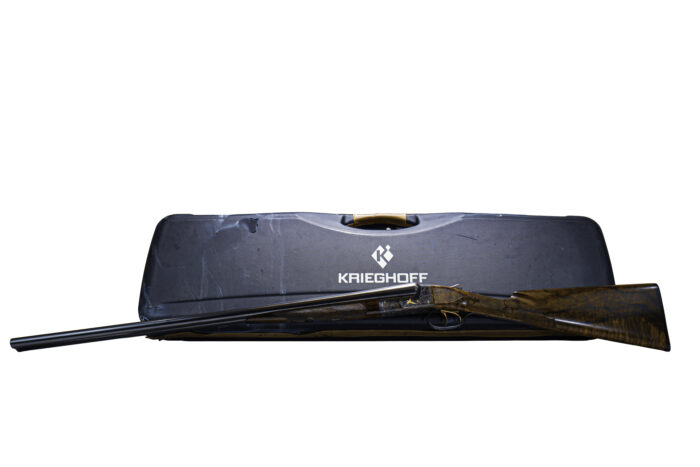
Negrini cases are designed to provide unparalleled protection for your firearms, ensuring that they remain in top condition throughout your hunting trip. The rugged, lightweight construction of Negrini cases means they can withstand the bumps and impacts of rugged terrain without adding unnecessary weight to your pack.
- Weatherproof Design: High-altitude environments can bring sudden changes in weather, from rain to snow to extreme cold. Negrini cases are weatherproof, protecting your firearms from moisture and temperature fluctuations that could affect their performance.
- Shock Absorption: The interior of Negrini cases is customizable, allowing you to create a secure, snug fit for your rifle. This shock-absorbing design ensures that your firearm remains zeroed and ready for action, even after a long hike over rough ground.
2. Ease of Transport
Transporting your firearm safely and efficiently is crucial when hunting in remote areas. Negrini cases are TSA-compliant and feature lightweight, ergonomic designs that make them easy to carry, whether you’re traveling by plane, ATV, or on foot.
- Lightweight Construction: Despite their durability, Negrini cases are lightweight, making them easy to carry over long distances. This is particularly important in the high country, where every ounce counts.
- Secure Locking Mechanism: Negrini cases come equipped with secure, TSA-approved locks, ensuring that your firearm is safe during transport and meets all legal requirements for air travel.
Conclusion
Spot-and-stalk mule deer hunting in the high country is a pursuit that demands skill, patience, and an intimate understanding of both the quarry and the landscape. By mastering advanced glassing techniques, understanding mule deer behavior, using the terrain to your advantage, and protecting your firearms with Negrini cases, you can increase your chances of success and make the most of your high country hunting experience. Remember, the key to a successful mule deer hunt lies in the details—stay persistent, stay disciplined, and always be ready to adapt to the challenges that the high country presents.
References:
- The Journal of Wildlife Management (2018). Mule Deer Behavior and Habitat Use in High-Altitude Environments. Retrieved from The Journal of Wildlife Management.
- Field & Stream (2020). Essential Optics for High-Country Mule Deer Hunting. Retrieved from Field & Stream.
- The Journal of Wildlife Research (2019). The Efficacy of Glassing Techniques in Mule Deer Hunting. Retrieved from The Journal of Wildlife Research.
- American Hunter (2021). Advanced Stalking Techniques for High-Country Mule Deer. Retrieved from American Hunter.