





A solid shooting stance is the cornerstone of accuracy and consistency in any shooting discipline. Whether you’re competing at the highest levels or refining your skills in the field, a well-practiced stance provides the foundation needed for superior performance. In this post, we delve into advanced techniques and considerations that can elevate your stance from merely functional to finely tuned, enabling you to achieve greater stability, precision, and confidence in every shot.
The Critical Role of a Proper Stance
A shooting stance does more than just keep you steady—it is integral to managing recoil, facilitating smooth movements, and ensuring a consistent sight picture. When refined, your stance becomes second nature, allowing you to focus entirely on the shot rather than on balancing your body. A study by the National Shooting Sports Foundation (NSSF) highlights that the stance, often overlooked by novices, is a major differentiator among top-tier shooters (NSSF, 2019). By understanding and mastering the nuances of your stance, you can achieve a level of consistency that transforms your shooting from good to exceptional.
Advanced Foot Positioning and Balance
Stance Dynamics for Different Disciplines
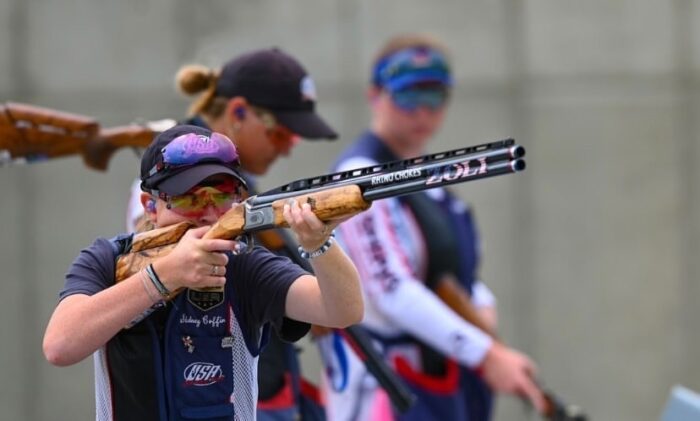
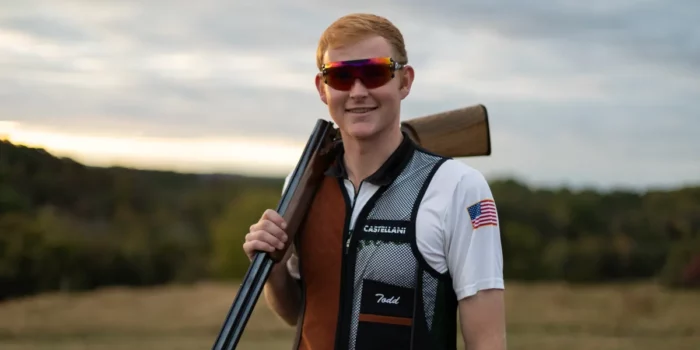
While the classic shoulder-width stance with the dominant foot slightly back is effective, adjusting this positioning based on the discipline can yield better results. For instance, in sporting clays or trap shooting, where lateral movement is key, a slightly wider stance can offer greater stability during rapid target acquisition. Conversely, in precision rifle shooting, a narrower stance might reduce lateral sway, offering a steadier platform for long-range shots.
Managing Weight Distribution
Experienced shooters understand that weight distribution is not static but dynamic, shifting subtly depending on the shot’s requirements. A forward lean, with approximately 60-70% of your weight on the front foot, is generally recommended to control recoil and maintain connection with the target. However, adapting this distribution—such as increasing the forward lean in windy conditions—can improve shot accuracy by counteracting external factors that might affect your balance.
Precision in Knee Flexion and Core Engagement
The Role of the Knees
Keeping your knees slightly bent is fundamental, but the degree of flexion can be fine-tuned for different shooting scenarios. In scenarios requiring quick directional changes, such as upland bird hunting, a deeper knee bend can act as a shock absorber, improving agility and recoil management. In contrast, a more subtle bend might be preferable in a controlled environment like a shooting range, where stability takes precedence over mobility.
Core Stability and its Impact
Engaging the core is essential for maintaining an upright posture and ensuring that your movements remain smooth and controlled. An engaged core not only supports your back and shoulders during recoil but also enhances overall body stability. Top shooters often include core strengthening exercises in their training regimen, recognizing that a strong core can significantly improve shooting consistency and reduce fatigue during long sessions.
Refining Shoulder and Cheek Placement
Customized Gun Fit and Shoulder Placement
The alignment of the gun with your shoulder and cheek is critical, and even minor deviations can impact shot accuracy. Advanced shooters often work with professional gun fitters to adjust the length of pull, drop at comb, and cast to achieve a perfect fit. This customization ensures that the shotgun or rifle naturally aligns with your dominant eye, reducing the need for conscious adjustments and allowing for a more intuitive shot.
Cheek Weld Consistency
Consistency in cheek placement, known as the “cheek weld,” is vital for maintaining a stable sight picture. A slight misalignment can cause you to miss the target entirely, especially at longer distances. Consider using a stock with adjustable comb height, allowing you to fine-tune the cheek weld to your exact specifications. Additionally, practicing with different head positions can help you identify the most natural and comfortable cheek weld, minimizing the risk of shifting during rapid fire or when shooting from awkward angles.
Advanced Grip and Hand Placement Techniques
Optimizing Grip Pressure
The balance between a firm yet relaxed grip is delicate. Too tight, and you risk introducing tension into your forearm muscles, which can cause tremors and disrupt your aim. Too loose, and you may lose control of the firearm, particularly under heavy recoil. Seasoned shooters often experiment with varying grip pressures, using the “push-pull” method—pushing forward with the front hand while pulling back slightly with the rear hand—to maintain control without over-tensing the muscles.
Hand Placement Adjustments
The placement of your hands on the firearm can be adjusted to suit different shooting styles. For instance, extending your forward hand further out along the forend can provide better control for rapid follow-up shots in disciplines like sporting clays. Meanwhile, a more compact hand placement might be preferable in scenarios requiring quick, precise adjustments, such as during a tactical shooting event.
Incorporating Recoil Management into Your Stance
The Science of Recoil Absorption
Recoil management is not just about withstanding the force but using it to your advantage. A stance that effectively absorbs and channels recoil allows you to maintain your shooting position and stay on target for subsequent shots. By engaging your entire body—from your feet up through your legs, core, and shoulders—you can dissipate the recoil energy efficiently. High-level shooters often practice absorbing recoil by gradually increasing the power of their loads during training, ensuring that their stance remains stable under varying conditions.
Practical Applications and Ongoing Practice
Adapting Stance to Terrain and Conditions
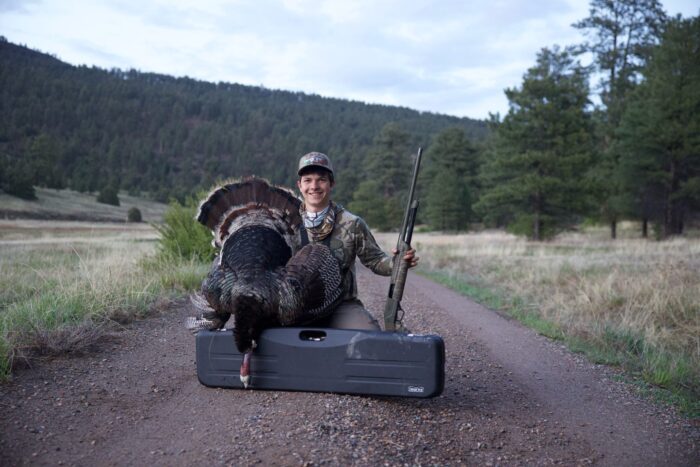
A true test of stance mastery is your ability to adapt to different shooting environments. Whether you’re on uneven terrain during a hunt or dealing with the shifting ground in a wet field, your stance must adjust to maintain balance and control. Practicing on various surfaces and in different weather conditions will help you develop the versatility needed to perform consistently, regardless of the external factors.
Ongoing Practice and Muscle Memory
As with any skill, mastery of your shooting stance requires regular practice. Dry fire drills, combined with live fire practice, help ingrain muscle memory, making your stance and movements automatic. Incorporating video analysis into your practice sessions allows you to spot subtle imperfections and make incremental improvements. Over time, these adjustments compound, leading to significant gains in stability, precision, and shooting confidence.
Conclusion
Mastering the shooting stance is a journey that combines technical precision with a deep understanding of how your body interacts with your firearm. By focusing on advanced techniques and consistently refining your approach, you can achieve a level of performance that sets you apart in any shooting discipline. Remember, the foundation provided by a solid stance not only enhances your accuracy but also instills the confidence needed to tackle even the most challenging shots.
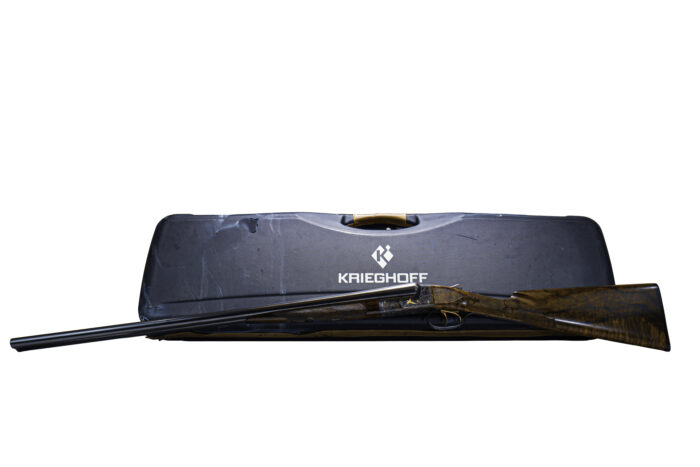
At Negrini, we understand the importance of protecting your finely-tuned equipment. Our lightweight, TSA-compliant gun cases are designed to safeguard your firearms, ensuring they remain in peak condition, no matter where your shooting journey takes you. Trust Negrini to keep your gear secure, so you can focus on perfecting your craft.
References:
- National Shooting Sports Foundation (NSSF). (2019). The Fundamentals of Competitive Shooting. Retrieved from NSSF
- Field & Stream. (2020). The Art of the Shotgun Stance. Retrieved from Field & Stream
- American Hunter. (2019). Fundamentals of Shooting: The Importance of Stance. Retrieved from American Hunter
- Shooting Sportsman. (2021). Improving Your Shot: The Role of Stance and Balance. Retrieved from Shooting Sportsman
- NRA Family. (2020). Dry Fire Drills: Perfecting Your Shooting Stance. Retrieved from NRA Family