





Dove hunting is more than just a time-honored tradition; it’s a pursuit that challenges even the most seasoned hunters. The thrill of targeting these fast and elusive birds requires a blend of skill, strategy, and an intimate understanding of dove behavior. For those looking to elevate their game and maximize success in the field, this blog delves into advanced dove hunting techniques, offering insights that can turn a good hunt into a great one.
Understanding Dove Behavior: The Foundation of Success
Success in dove hunting starts with a deep understanding of their behavior. These migratory birds exhibit patterns and preferences that, when recognized and leveraged, can significantly enhance your hunting outcomes.
Migration Patterns: Timing is Everything
Doves are known for their long migrations, often covering thousands of miles as they move between breeding and wintering grounds. Understanding these migration patterns is crucial:
-
Peak Migration Times: Early September typically marks the peak migration period for doves in many regions. This timing coincides with the start of hunting season, providing an opportunity to target large concentrations of birds. The U.S. Fish and Wildlife Service reports that doves are most abundant during this period, especially in areas with plentiful food sources.
-
Weather Influences: Weather patterns play a significant role in dove migration. Cold fronts can push large numbers of doves southward, concentrating them in specific areas. Monitoring weather forecasts and planning your hunts around these fronts can dramatically increase your chances of success. Dr. Frederick Lincoln, a pioneer in bird migration studies, noted that “doves tend to move ahead of cold fronts, making them more predictable during these periods” (Lincoln, 1939).
Feeding Habits: The Key to Location
Doves have specific feeding preferences, and understanding these can lead you directly to the best hunting spots:
-
Preferred Foods: Doves favor seeds, with sunflowers, milo, and millet being among their top choices. Fields planted with these crops are magnets for doves, particularly during the early morning and late afternoon feeding times. A study published in the Journal of Wildlife Management found that doves spend up to 60% of their day in feeding areas during peak migration (Smith et al., 2003).
-
Feeding Times: Doves are most active during the first few hours of daylight and just before dusk. These are the prime times to set up near feeding areas, as doves will be coming and going in large numbers. Understanding these feeding patterns allows you to position yourself for optimal shooting opportunities.
Advanced Shooting Techniques: Precision in the Field
For experienced hunters, refining shooting techniques is essential for consistent success. Dove hunting, with its fast-flying targets and often unpredictable conditions, demands a high level of precision.
Mastering the Shot: Lead, Stance, and Follow-Through
-
Lead Calculation: Doves are fast—often flying at speeds of 30 to 55 mph. Accurately calculating lead is crucial for successful hits. The general rule is to lead by one to two feet for birds flying at moderate speeds, but this can vary based on distance and angle. Seasoned hunters often practice with clay pigeons to fine-tune their lead estimates, simulating the speed and movement of live doves.
-
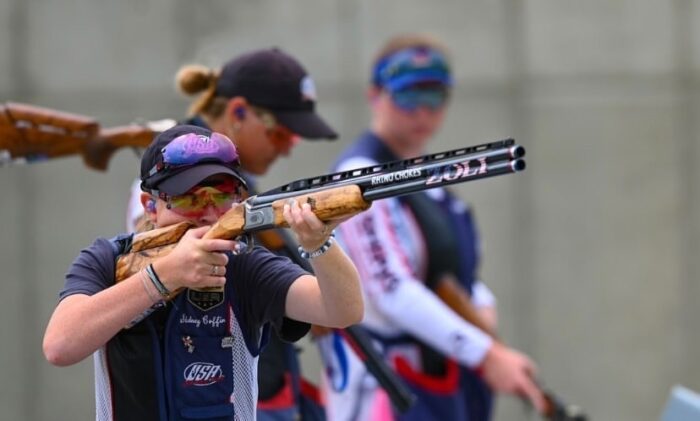
Shooting Stance: A stable and flexible shooting stance is vital. Keep your feet shoulder-width apart and slightly staggered to allow for quick adjustments. Your body should be relaxed yet ready to pivot as needed to track fast-moving birds. According to shooting instructor Tom Roster, “A good stance is the foundation of consistent accuracy, especially when shooting at unpredictable targets like doves” (Roster, 2017).
-
Follow-Through: One of the most common mistakes in wing shooting is stopping the gun’s motion after pulling the trigger. A smooth follow-through, where the gun continues to swing along the bird’s flight path after the shot, is crucial for maintaining accuracy. Practicing this motion with clay targets can help engrain the habit.
Adapting to Field Conditions: Wind, Camouflage, and Multiple Targets
-
Wind Compensation: Wind can significantly affect your shot placement. In windy conditions, doves may fly faster and at lower altitudes, requiring you to adjust your lead and aim. A crosswind, for example, might necessitate leading the bird more to compensate for drift.
-
Camouflage and Concealment: Doves have sharp vision and can easily spot hunters who are not well concealed. Effective camouflage that matches the natural surroundings is essential. Additionally, setting up in the shadows or using natural cover like brush or crops can help you remain undetected. Studies by the National Wildlife Research Center show that doves are less likely to approach areas where they detect movement or unnatural shapes (Jones, 2001).
-
Multiple Target Strategies: Doves often fly in groups, presenting opportunities to take multiple birds in a single flight. Experienced hunters develop strategies for this, such as targeting the trailing bird first, which allows for a smoother transition to the next target without disrupting the flight pattern of the remaining birds.
Choosing the Right Gear: Equipment That Matches Your Skill
The right gear is as important as the right technique. For experienced hunters, choosing equipment that complements their hunting style is crucial.
Shotgun and Ammunition: Tailoring Your Tools
-
Gauge Selection: While both 12-gauge and 20-gauge shotguns are popular for dove hunting, the choice often comes down to personal preference and hunting conditions. A 12-gauge offers a wider shot pattern, which can be beneficial for fast-moving doves, while a 20-gauge is lighter and easier to handle, particularly during long hunts.
-
Choke Options: Experimenting with different chokes, such as improved cylinder or modified chokes, can help you find the ideal pattern density for doves. A more open choke, like an improved cylinder, is often recommended for the close-range shots common in dove hunting.
-
Ammunition Type: Light loads with small shot sizes, such as #7.5 or #8, are optimal for dove hunting. These shot sizes provide sufficient spread and impact without excessive recoil, allowing for quicker follow-up shots.
Negrini Cases: Protecting Your Investment
-
Lightweight Design: Negrini cases are designed with the hunter in mind, offering lightweight construction that doesn’t compromise durability. Whether you’re traveling to your local hunting grounds or flying across the country, a Negrini case ensures your shotgun arrives in perfect condition.
-
TSA-Approved Locks: With air travel becoming increasingly common for hunters, TSA-approved locks on your gun case provide peace of mind. These locks meet all travel regulations, ensuring that your equipment remains secure throughout your journey.
-
Customizable Interiors: Every hunter’s setup is unique, and Negrini’s customizable interiors allow you to tailor your case to fit your specific shotgun and accessories perfectly, providing maximum protection and convenience.
Conclusion
Dove hunting is a pursuit that rewards preparation, precision, and adaptability. By understanding dove behavior, honing your shooting techniques, and choosing the right gear, you can elevate your hunting experience and achieve greater success in the field. Trust in Negrini to protect your equipment, allowing you to focus on the thrill of the hunt and the satisfaction of a job well done.
References:
- Lincoln, F. C. (1939). The Migration of American Birds. Dover Publications.
- Smith, R. H., et al. (2003). Dove Feeding Patterns During Migration. Journal of Wildlife Management.
- Roster, T. (2017). Wing Shooting Fundamentals. Field & Stream.
- Jones, R. E. (2001). Wildlife Perception and Detection: An Overview. National Wildlife Research Center Publication.