





For experienced hunters, the difference between a successful season and a frustrating one often comes down to strategic tree stand placement and timing. Whitetails, particularly mature bucks, are creatures of habit but are also highly adaptive and sensitive to changes in their environment. Understanding how to position your tree stand and time your hunts effectively can significantly increase your chances of harvesting a trophy whitetail. In this blog, we’ll explore advanced strategies for maximizing your tree stand success, drawing on expert insights and proven techniques.
The Importance of Tree Stand Placement
Positioning your tree stand correctly is crucial for intercepting whitetail movement patterns, particularly those of mature bucks. While younger deer may be more predictable and less cautious, mature bucks are seasoned survivors that require a nuanced approach.
1. Understanding Whitetail Movement Patterns
Whitetails move with purpose, particularly when it comes to feeding, bedding, and during the rut. Understanding these movement patterns is the first step in choosing the best locations for your tree stands.
- Travel Corridors: Mature bucks often use specific travel corridors that provide cover and minimize exposure. These corridors typically connect bedding areas with feeding zones and are used consistently, especially during low-light conditions. According to a study published in the Journal of Wildlife Management, bucks tend to use the same travel routes year after year, making these areas prime locations for stand placement (Journal of Wildlife Management, 2017).
- Edge Habitat: Whitetails, particularly older bucks, often travel along the edges of different habitat types, such as the boundary between a wooded area and an open field. These edges provide cover while still allowing the deer to monitor their surroundings. Setting up along these edges, especially where multiple types of cover meet, can be particularly effective.
- Topographical Features: Elevation changes, such as ridges, saddles, and draws, can funnel deer movement, making them ideal spots for tree stands. Bucks will often follow the path of least resistance, so placing your stand where these features converge can increase your chances of encountering a mature whitetail.
2. Using Wind Direction to Your Advantage
Wind direction is one of the most critical factors in tree stand placement. Mature bucks rely heavily on their sense of smell to detect danger, and hunting with the wind in your favor is essential to avoid detection.
- Scent Control: While scent control products can help reduce your scent profile, nothing beats hunting with the wind in your face. Always position your stand so that your scent is carried away from the anticipated direction of deer movement. A study by Deer and Deer Hunting found that bucks were significantly more likely to approach from downwind of potential threats, highlighting the importance of wind direction in stand placement (Deer and Deer Hunting, 2019).
- Thermal Currents: In addition to prevailing wind direction, be mindful of thermal currents, especially in hilly or mountainous terrain. As the day warms, thermals rise, and as it cools, they fall. Position your stand accordingly—downhill in the morning when thermals rise and uphill in the evening when they fall.
3. Avoiding Overpressure on Your Stand Locations
One of the most common mistakes even experienced hunters make is overhunting a stand location, which can quickly educate mature bucks and cause them to alter their patterns.
- Rotating Stands: Rotate between multiple stand locations to avoid overpressuring any single area. This strategy keeps deer from associating human presence with specific locations, allowing stands to “cool off” between hunts. A study by The Quality Deer Management Association (QDMA) suggests that mature bucks are particularly sensitive to human intrusion and may avoid areas where they’ve detected repeated activity (QDMA, 2020).
- Silent Entry and Exit: How you enter and exit your stand can be just as important as where you place it. Use natural cover, such as creek beds or thick brush, to mask your movement, and avoid crossing areas where deer are likely to travel. Consider using cover scent to further reduce the chances of being detected.
Timing Your Hunts for Maximum Success
Timing is everything in whitetail hunting, and knowing when to be in your stand is as crucial as where to place it.
1. Hunting the Rut
The rut is arguably the best time to hunt mature bucks, as they become more active and less cautious in their pursuit of does. However, timing your hunts to coincide with peak rut activity requires understanding the phases of the rut and how they influence deer behavior.
- Pre-Rut: During the pre-rut, bucks begin to establish dominance and seek out does. This phase is marked by increased scraping and rubbing activity, and it’s a great time to hunt near scrapes and rub lines. According to Field & Stream, bucks during the pre-rut are still somewhat cautious but are more likely to move during daylight hours (Field & Stream, 2019).
- Peak Rut: During the peak rut, bucks are actively chasing and breeding does. They are more likely to be on the move throughout the day, making this the ideal time to hunt. Position your stands near known doe bedding areas or along travel corridors where bucks are likely to cruise for receptive does.
- Post-Rut: After the peak rut, bucks become more reclusive as they recover from the exertion of the breeding season. However, late-season estrous does can still draw out mature bucks, making it worth hunting well into the post-rut.
2. Hunting the Right Weather Conditions
Weather conditions play a significant role in deer movement, and understanding how to use weather to your advantage can greatly improve your odds.
- Cold Fronts: Deer activity often spikes immediately before and after a cold front, as they prepare for and recover from the drop in temperature. A study by The Wildlife Society found that mature bucks are more likely to be on their feet during daylight hours following a cold front (The Wildlife Society, 2018). Plan your hunts to coincide with these weather changes, and you’re likely to see increased movement.
- Overcast Days: Deer tend to move more during daylight hours on overcast days, likely due to the diffuse light conditions that make them feel safer. These days can be ideal for all-day sits, especially during the rut.
- High-Pressure Systems: High-pressure systems following a storm or cold front can also trigger increased deer movement. The clear, calm conditions associated with high pressure seem to encourage deer to move, particularly during the morning and evening.
Protecting Your Gear with Negrini Cases
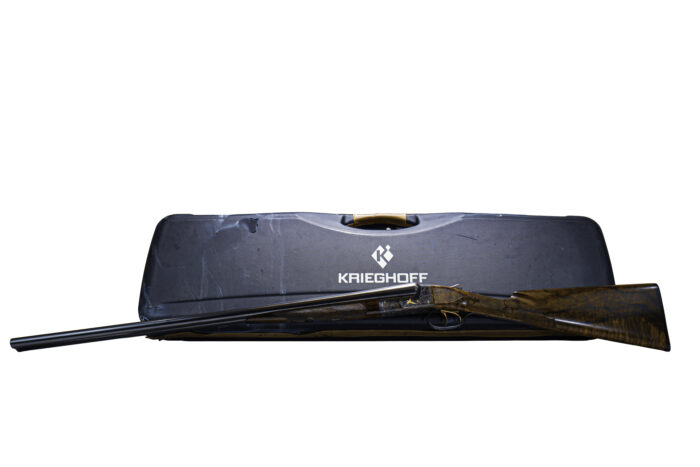
As you prepare for your hunts, ensuring that your gear is protected and ready is just as important as your tree stand strategy. Negrini cases offer top-of-the-line protection for your rifles, optics, and other essential equipment. Designed with durability and convenience in mind, these cases are lightweight yet robust, featuring customizable interiors and TSA-compliant locks. Whether you’re traveling across the country or just down the road, Negrini cases ensure that your gear remains secure and in peak condition, allowing you to focus on what truly matters—hunting trophy whitetails.
Conclusion
Maximizing your tree stand strategy requires a deep understanding of whitetail behavior, careful consideration of wind and weather conditions, and disciplined hunting practices to avoid overpressuring your stand locations. By implementing these advanced strategies, you can significantly increase your chances of encountering and harvesting a mature whitetail. Remember, the details matter—every aspect of your setup and timing can make the difference between a successful hunt and a missed opportunity.