





Elk hunting is a pursuit that challenges even the most experienced hunters. With their keen senses, powerful bodies, and often rugged, mountainous habitats, elk require hunters to be at the top of their game—especially when it comes to making long-range shots. As an advanced hunter, you understand that success in the field hinges on precision, patience, and the ability to adapt to various shooting scenarios. In this blog, we’ll dive into the critical aspects of fine-tuning your long-range shooting skills for elk hunting, focusing on techniques that can significantly enhance your accuracy and effectiveness.
Understanding the Importance of Precision in Long-Range Elk Hunting
Precision is the bedrock of successful elk hunting, particularly when engaging targets at long distances. Elk are tough animals, and a poorly placed shot can lead to a wounded animal that is difficult, if not impossible, to track down. For ethical hunting and to ensure a quick, humane kill, you need to be confident that your shot will hit the vital organs—primarily the heart and lungs.
The Anatomy of a Perfect Shot
When aiming at an elk from a distance, understanding their anatomy is crucial. The heart and lungs are your primary targets, and they are located just behind the shoulder, slightly above the elbow joint. Aiming here maximizes your chances of a quick kill. Outdoor Life emphasizes that knowing elk anatomy and practicing shot placement under various conditions is key to becoming a more effective hunter (Outdoor Life, 2020).
The Challenges of Long-Range Shooting
Long-range shooting presents several challenges, including bullet drop, wind drift, and the time it takes for the bullet to reach the target. At distances over 300 yards, these factors become increasingly significant and require you to make precise calculations and adjustments.
- Bullet Drop: As the bullet travels, gravity causes it to drop. The farther the distance, the more significant the drop. Understanding your rifle’s ballistics and how your ammunition performs at different ranges is crucial.
- Wind Drift: Wind can push your bullet off course, especially at longer distances. Reading the wind and adjusting your aim accordingly is an advanced skill that can take years to master.
- Time of Flight: The longer the distance, the more time it takes for the bullet to reach the target. During this time, the elk could move, altering the shot placement. Patience is key—waiting for the elk to settle or pause before taking the shot can make all the difference.
Fine-Tuning Your Shooting Skills
For the experienced hunter, continual improvement is essential. Here’s how you can refine your long-range shooting skills to increase your chances of success in elk hunting.
1. Mastering Range Estimation
Accurately estimating the distance to your target is the foundation of long-range shooting. While laser rangefinders are invaluable tools, it’s important to also develop your ability to estimate range visually. This skill can be a lifesaver if your rangefinder fails or if you need to quickly assess the distance in a high-pressure situation.
- Laser Rangefinders: Use a high-quality laser rangefinder to measure distances precisely. Regular practice with your rangefinder in various terrains will help you understand how distance affects shot placement.
- Visual Estimation: Practice estimating distances without technological aids. One method is to measure out specific distances in your practice area and memorize what various ranges look like. With time, you’ll become more proficient at gauging distances by eye, a skill that can be crucial when quick decisions are needed.
2. Understanding Ballistics and Bullet Drop
A deep understanding of ballistics is essential for accurate long-range shooting. Knowing how your specific rifle and ammunition perform at different distances allows you to make precise adjustments in the field.
- Ballistic Charts: Create or obtain a ballistic chart for your rifle and ammunition. This chart should show bullet drop at various distances, allowing you to quickly determine the necessary holdover.
- Zeroing Your Rifle: Zero your rifle at a distance that complements your hunting environment. For many elk hunters, a 200-yard zero is common, but if you frequently engage targets beyond 300 yards, a longer zero may be more appropriate.
- Shooting Practice: Practice shooting at various distances, focusing on understanding how bullet drop affects your shot placement. Incorporate elevation changes into your practice to simulate real hunting scenarios.
3. Wind Reading and Adjustment Techniques
Wind can be a major factor in long-range shooting, and its effect increases with distance. Learning to read the wind and make the necessary adjustments is a critical skill for the advanced hunter.
- Wind Indicators: Use natural indicators like grass, trees, and dust to gauge wind speed and direction. Practice estimating wind speed in miles per hour and adjusting your shot based on this estimation.
- Wind Drift Calculations: Learn how to calculate wind drift for your specific ammunition. There are various tools and apps available that can help with this, but manual calculation skills are essential when technology fails.
- Wind Practice: Practice shooting in different wind conditions to understand how wind affects your bullet’s trajectory. Over time, you’ll develop a feel for how much to adjust based on wind speed and direction.
4. Developing Patience in the Field
Patience is just as important as technical skill in long-range elk hunting. Waiting for the perfect moment to take your shot can mean the difference between a clean kill and a missed opportunity.
- Observing Behavior: Spend time observing elk behavior before taking a shot. Understanding their patterns and movements will help you anticipate when they will present the best shot opportunity.
- Controlled Breathing: Practice controlled breathing techniques to help calm your nerves and maintain focus during high-pressure situations. Deep, slow breaths can help steady your aim and reduce the likelihood of a rushed shot.
- Waiting for the Broadside Shot: The broadside shot is often the most effective angle for hitting vital organs. Exercise patience and wait for the elk to turn broadside, even if it means passing on a less optimal shot.
5. Gear Considerations for Long-Range Elk Hunting
The right gear can make all the difference in long-range shooting. Ensure your equipment is up to the task by investing in high-quality, reliable gear.
- Rifles and Optics: Select a rifle known for its accuracy at long distances. Bolt-action rifles are often preferred for their precision. Pair your rifle with a high-quality scope that offers clear optics, adjustable magnification, and reliable reticles. Shooting Sportsman emphasizes the importance of investing in top-tier optics to improve shot accuracy, particularly at long ranges (Shooting Sportsman, 2021).
- Stable Shooting Platforms: A stable shooting platform, such as a bipod or shooting sticks, can significantly improve your accuracy by reducing movement and providing a steady base. Practicing with these tools before the hunt will ensure you’re comfortable using them in the field.
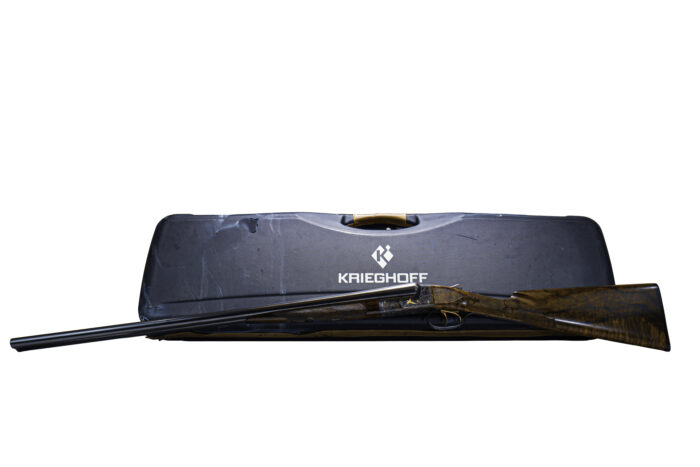
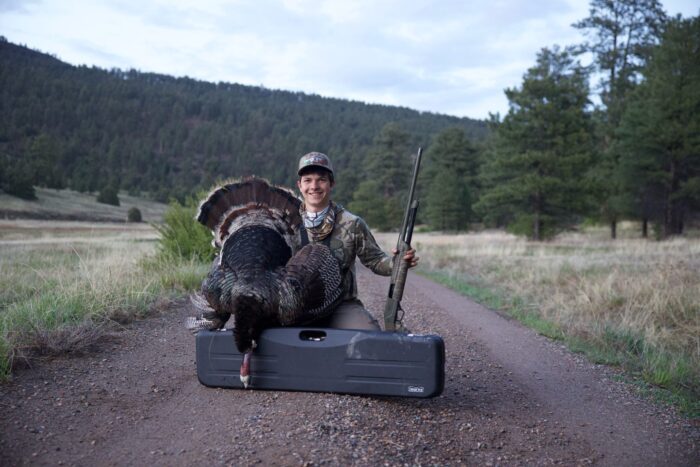
- Negrini Cases: Protecting your precision gear during transport is critical. Negrini cases are designed to provide superior protection for your rifles and optics, ensuring they remain in top condition even in harsh environments. The lightweight, TSA-compliant design of Negrini cases makes them ideal for hunters traveling to remote locations.
Conclusion
Mastering long-range shooting for elk hunting requires a combination of precision, patience, and the right gear. As an experienced hunter, you know that success comes from consistent practice, understanding the behavior of your quarry, and making well-calculated decisions in the field. By refining your shooting skills and equipping yourself with reliable gear, such as Negrini cases, you can enhance your effectiveness and increase your chances of a successful hunt. Remember, every shot counts—make sure yours is one that leads to a quick, humane kill.
References:
- Outdoor Life (2020). The Importance of Shot Placement in Big Game Hunting. Retrieved from Outdoor Life.
- American Hunter (2019). Fundamentals of Long-Range Shooting: Mastering the Basics. Retrieved from American Hunter.
- Field & Stream (2021). Advanced Shooting Drills for Precision Hunting. Retrieved from Field & Stream.
- Shooting Sportsman (2021). The Essential Gear for Long-Range Shooting. Retrieved from Shooting Sportsman.
- NRA Family (2020). Wind Reading for Long-Range Shooters. Retrieved from NRA Family.