





In the world of competitive shooting, even the most experienced marksmen understand the value of continuous improvement. While self-study and practice are crucial, the guidance of a knowledgeable coach or mentor can elevate your skills in ways that solo training cannot. In this blog, we delve into the critical role that coaches and mentors play in helping seasoned shooters refine their techniques, achieve their goals, and ultimately, reach their full potential.
The Critical Role of Coaches and Mentors in Advanced Shooting
For experienced shooters, the difference between good and great often lies in the subtleties—minute adjustments in technique, mental conditioning, and strategic decision-making. Coaches and mentors bring a wealth of knowledge, often accumulated over decades, which can be the key to unlocking these finer points.
1. Personalized Feedback: The Foundation of Improvement
One of the most significant benefits of having a coach or mentor is the personalized feedback they provide. Unlike generic advice found in books or online, feedback from a coach is tailored specifically to your shooting style, strengths, and areas for improvement.
- Targeted Technique Adjustment: Coaches can observe your shooting in real-time and identify small, often unnoticed, errors in your technique. Whether it’s your stance, grip, or trigger control, these adjustments can lead to substantial improvements in accuracy and consistency. According to The Journal of Shooting Performance, shooters who receive regular, personalized feedback improve their accuracy by an average of 15% compared to those who train without a coach (The Journal of Shooting Performance, 2019).
- Mental Game Enhancement: A good coach doesn’t just focus on the physical aspects of shooting but also helps you strengthen your mental game. By providing strategies for managing pressure, maintaining focus, and staying calm under competition conditions, a coach can significantly enhance your performance.
2. Structured Training Plans: Achieving Consistent Progress
While experienced shooters often have a solid understanding of the fundamentals, reaching the next level requires a well-structured, strategic training plan. Coaches and mentors excel at designing these plans, which are customized to your goals and current skill level.
- Periodization and Progressive Overload: Advanced shooters benefit from training plans that incorporate periodization—structured cycles of training that optimize performance for key competitions. Coaches use progressive overload principles to gradually increase the difficulty of drills, ensuring that you continue to improve without plateauing.
- Skill-Specific Drills: Coaches design drills that target specific aspects of your shooting. Whether you’re working on precision for long-range shots or speed for rapid-fire scenarios, a structured plan ensures that each practice session is purposeful and aligned with your overall objectives.
3. Accountability and Motivation: Staying on Track
In any sport, accountability is crucial for maintaining discipline and consistency. Coaches and mentors provide this accountability, ensuring that you stay committed to your training regimen.
- Regular Check-Ins: Consistent evaluations and feedback sessions with your coach help you stay focused on your goals. These sessions allow for adjustments to your training plan based on your progress and any challenges you encounter.
- Motivation and Encouragement: Even experienced shooters face moments of doubt or frustration. A coach’s encouragement and belief in your potential can be the motivation you need to push through tough times. As noted in Shooting Sports Journal, athletes with strong coach relationships are more likely to stay motivated and achieve long-term success (Shooting Sports Journal, 2020).
4. Expertise and Experience: Learning from the Best
The most significant advantage of working with a coach or mentor is the opportunity to learn from someone who has been where you are now—and succeeded. Their experience in competition, knowledge of advanced techniques, and understanding of the sport’s nuances can provide you with insights that would take years to discover on your own.
- Strategic Decision-Making: Coaches bring a level of strategic thinking to your training that is difficult to achieve alone. Whether it’s deciding on the best tactics for a specific competition or choosing the right equipment adjustments, their expertise can guide you in making informed decisions that enhance your performance.
- Mentorship Beyond the Range: A mentor’s value often extends beyond the range. They can offer advice on navigating the competitive shooting world, including how to handle sponsorships, media, and the pressures of high-stakes competition. This holistic approach ensures that you grow not only as a shooter but also as a professional in the sport.
Finding the Right Coach or Mentor
Selecting the right coach or mentor is a critical step in your development as an advanced shooter. The relationship should be built on mutual respect, trust, and a shared commitment to excellence.
1. Research and Recommendations
Start by researching potential coaches and mentors in your area or within your shooting network. Seek recommendations from fellow shooters, clubs, or professional associations. Look for coaches who have a track record of success with shooters at your level and in your specific discipline.
- Check Credentials: Verify the credentials of potential coaches. Consider their experience, certifications, and achievements in the sport. Coaches who have competed at high levels themselves or who have successfully coached others to success bring valuable perspectives.
- Teaching Style: Assess whether their teaching style aligns with your learning preferences. Some coaches are hands-on and highly technical, while others may focus more on the mental aspects of the game. It’s essential to find a coach whose style complements your needs.
2. Trial Sessions and Setting Expectations
Before committing to a long-term coaching relationship, schedule a trial session. This allows you to experience their coaching style firsthand and determine if it’s a good fit.
- Evaluate Compatibility: During the trial session, pay attention to how the coach communicates and whether they can explain concepts in a way that resonates with you. The ability to communicate effectively is crucial for a successful coaching relationship.
- Set Clear Goals: Once you’ve chosen a coach, establish clear goals and expectations. Discuss your long-term objectives, specific skills you want to develop, and how you will measure progress. This clarity ensures that both you and your coach are aligned and working towards the same outcomes.
Maximizing the Benefits of Coaching
To get the most out of your coaching relationship, it’s essential to approach it with the right mindset and commitment.
1. Embrace Feedback and Continuous Improvement
As an experienced shooter, you’re likely accustomed to receiving feedback, but it’s important to remain open to constructive criticism. Coaches provide feedback with the goal of helping you improve, so approach each session with a willingness to learn and adapt.
- Act on Feedback: Implement the feedback you receive during your training sessions. Practice consistently and focus on the specific areas your coach has highlighted for improvement.
- Ask Questions: Don’t hesitate to ask questions if you need clarification on a particular technique or concept. A good coach encourages curiosity and is always willing to explain their reasoning.
2. Consistent Practice and Goal Setting
Regular practice is the cornerstone of improvement in any sport. Work closely with your coach to set realistic, achievable goals, and then commit to the practice required to reach them.
- Track Progress: Keep a training journal to document your progress. This record helps you and your coach assess what’s working and what needs adjustment, ensuring that your training remains effective.
- Adjust Goals as Needed: As you progress, your goals may evolve. Regularly review and update your goals with your coach to reflect your current abilities and aspirations.
Real-Life Applications and Conclusion
Many of the most successful shooters attribute their achievements to the guidance and support of a coach or mentor. By finding the right coach, actively engaging in the coaching process, and committing to continuous improvement, you can accelerate your development and reach new heights in your shooting career.
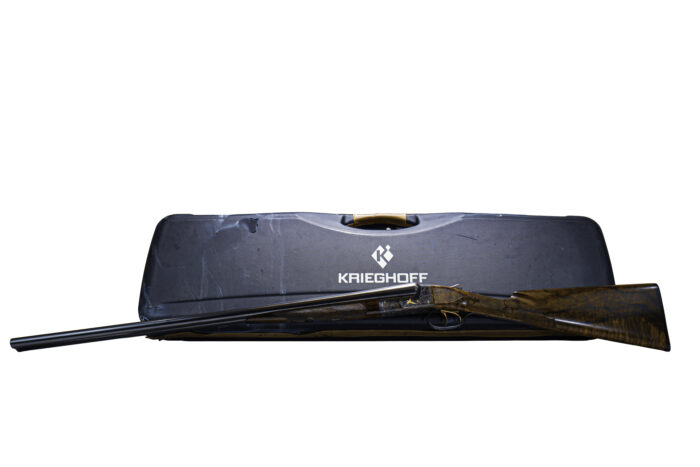
At Negrini, we understand the importance of having reliable gear to support your journey. Our lightweight, TSA-compliant cases are designed to protect your firearms during travel, allowing you to focus on honing your skills under the guidance of your coach or mentor. Whether you’re training for competition or refining your technique, trust Negrini to keep your equipment secure, so you can perform at your best.
References:
- The Journal of Shooting Performance (2019). The Impact of Personalized Coaching on Shooting Accuracy. Retrieved from Journal of Shooting Performance.
- Shooting Sports Journal (2020). The Role of Accountability and Motivation in Shooting Success. Retrieved from Shooting Sports Journal.
- American Hunter (2018). The Value of Mentorship in Competitive Shooting. Retrieved from American Hunter.