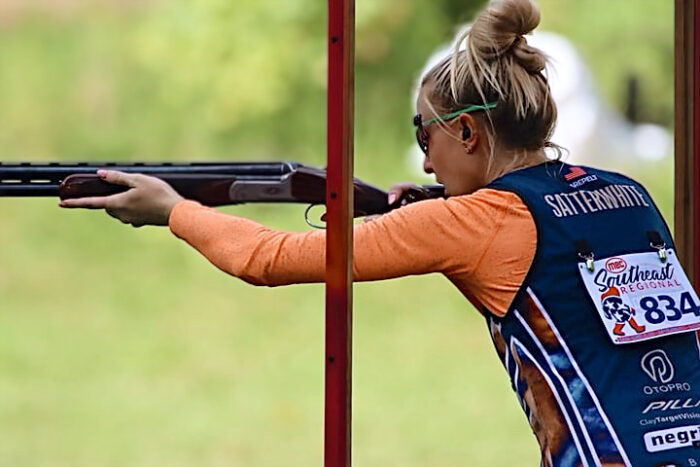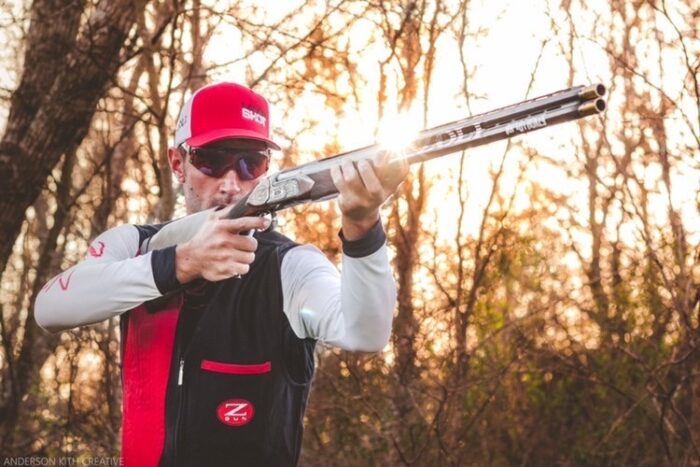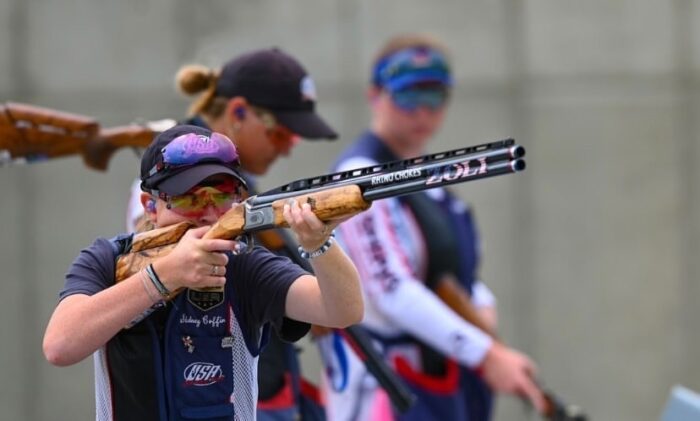





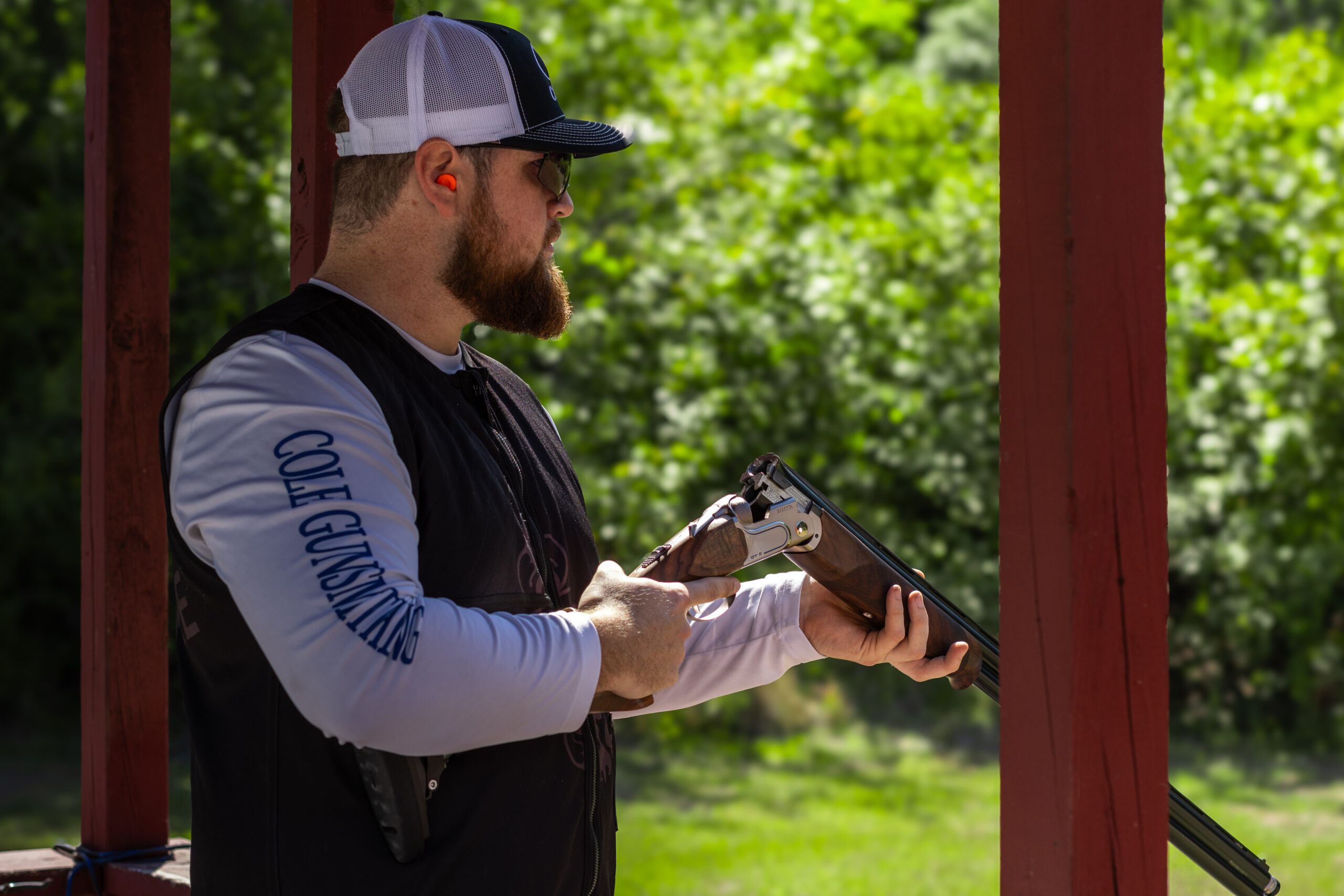
In competitive shooting, success often hinges as much on mental resilience as on physical skill. Whether you’re stepping onto the sporting clays course or preparing for a high-stakes trap event, your ability to focus, stay composed under pressure, and recover from setbacks can make the difference between victory and defeat. Developing a strong mental game isn’t just beneficial—it’s essential. This article explores proven mental preparation strategies, highlights expert insights, and provides actionable techniques to help shooters gain the psychological edge they need to excel.
The Importance of Mental Preparation in Shooting
Competitive shooting demands precision, consistency, and adaptability, all of which require a focused and calm mindset.
- Focus and Concentration
Maintaining focus allows shooters to tune out distractions and maintain control over each shot.- According to Dr. Michael Lardon, a leading sports psychologist, “The ability to enter a flow state—where focus becomes automatic—is a hallmark of elite performance” (Sports Psychology Today, 2020).
- Managing Pressure
Shooting events often involve high-pressure scenarios, where nerves can lead to rushed shots or poor decisions. Mental preparation reduces anxiety and builds confidence. - Overcoming Mental Fatigue
Long competitions and repetitive rounds can lead to mental exhaustion. Resilience and preparation help shooters maintain clarity throughout the event.
Key Mental Preparation Strategies
- Visualization
Visualization, or mental imagery, involves picturing success before it happens. This technique helps create neural pathways that reinforce confidence and precision.- How to Practice Visualization:
- Find a quiet space and close your eyes.
- Picture yourself executing the perfect shot: from mounting the gun, swinging smoothly, to watching the clay break.
- Incorporate sensory details, such as the feel of the gun and the sound of the shot.
- Expert Insight:
“Visualization primes your brain for success. It’s like practicing without firing a single shell,” explains Wendell Cherry, sporting clays champion (Shooting Sportsman, 2021).
- How to Practice Visualization:
- Deep Breathing and Relaxation Techniques
Controlled breathing reduces heart rate, lowers cortisol levels, and calms the mind, helping shooters maintain composure.- Technique: Box Breathing
- Inhale for a count of four.
- Hold the breath for four counts.
- Exhale for four counts.
- Hold again for four counts. Repeat as needed.
- Scientific Backing:
Studies by the American Psychological Association show that deep breathing can improve focus by 20% and reduce stress-induced errors.
- Technique: Box Breathing
- Positive Self-Talk
Replacing negative thoughts with constructive affirmations builds confidence and reduces self-doubt.- Examples of Positive Self-Talk:
- Replace: “I hope I don’t miss this target.”
- With: “I’m prepared, and I can make this shot.”
- Replace: “I’m falling behind.”
- With: “Stay in the moment and focus on the next shot.”
- Expert Perspective:
Dr. Roberta Kraus, a sports psychologist, emphasizes, “Positive self-talk shifts your mindset from fear to confidence, allowing you to perform at your peak” (Journal of Sports Psychology, 2020).
- Examples of Positive Self-Talk:
- Pre-Shot Routine
A consistent pre-shot routine creates familiarity and reduces anxiety. It helps shooters transition into a focused state before pulling the trigger.- Steps to Develop a Routine:
- Step 1: Align your stance and mount the gun consistently.
- Step 2: Take a deep breath and visualize success.
- Step 3: Focus on the target and commit fully to the shot.
- Benefits:
- Increases confidence and reduces hesitation.
- Ensures consistent execution, even under pressure.
- Steps to Develop a Routine:
Building Mental Resilience
- Handling Misses and Mistakes
Every shooter misses targets, but how you recover is key to long-term success.- Techniques for Recovery:
- Acknowledge the mistake without judgment.
- Refocus on the process rather than dwelling on the outcome.
- Use the experience as a learning opportunity for improvement.
- Techniques for Recovery:
- Embracing Pressure
Competitive events often bring high stakes, but pressure can be reframed as an opportunity to excel.- Reframing Technique:
- Instead of “I have to hit this target,” think, “I’ve practiced for this moment. I get to prove what I can do.”
- Reframing Technique:
- Mindfulness Meditation
Mindfulness practices improve focus and reduce anxiety by helping shooters stay in the present moment.- How to Practice Mindfulness:
- Sit comfortably and close your eyes.
- Focus on your breathing, letting thoughts come and go without judgment.
- Gradually build this practice into your daily routine.
- Scientific Evidence:
A 2019 study in the Journal of Applied Sports Psychology found that athletes who practiced mindfulness reported a 15% improvement in performance under pressure.
- How to Practice Mindfulness:
Training the Mental Game
- Simulating Competition Conditions
Practicing under stress or time constraints prepares shooters for the pressures of real events.- Examples of Simulated Drills:
- Time yourself on stations to mimic competition pacing.
- Add distractions, such as noise or movement, during practice sessions.
- Examples of Simulated Drills:
- Tracking Progress
Keep a journal of your mental performance during practice and competitions. Note what strategies worked and where adjustments are needed.- Reflection Questions:
- Did I follow my pre-shot routine consistently?
- How did I handle pressure during critical moments?
- What improvements can I make for the next event?
- Reflection Questions:
- Working with a Sports Psychologist or Coach
A trained professional can provide personalized strategies and feedback to strengthen your mental approach.- Real-Life Example:
Olympic skeet champion Kim Rhode credits much of her success to working with a sports psychologist who helped her develop mental resilience and focus (Shooting Sports Journal, 2018).
- Real-Life Example:
Expert Insights on Mental Preparation
- Wendell Cherry: “The mental game is what separates good shooters from great ones. Physical skills get you to the top level, but mindset keeps you there” (Shooting Sportsman, 2021).
- Dr. Michael Lardon: “Flow states, where focus and execution are seamless, are accessible through consistent mental training and preparation” (Sports Psychology Today, 2020).
- Kim Rhode: “Every competition is won in the mind before it’s won in the field” (Shooting Sports Journal, 2018).
Competitive shooting is as much a mental battle as it is a physical one. By adopting proven strategies like visualization, mindfulness, and positive self-talk, and by building a consistent pre-shot routine, you can develop the mental resilience needed to excel under pressure. Whether you’re a seasoned competitor or just starting out, strengthening your psychological edge will not only improve your performance but also elevate your confidence and enjoyment of the sport. Remember, the mind is your most powerful tool—train it as diligently as your aim.
References
- Cherry, Wendell. “The Mental Edge in Sporting Clays.” Shooting Sportsman, 2021, www.shootingsportsman.com.
- Lardon, Michael. “Achieving Flow in Competitive Shooting.” Sports Psychology Today, 2020, www.sportspsychologytoday.com.
- Kraus, Roberta. “The Role of Positive Self-Talk in Competitive Success.” Journal of Sports Psychology, 2020, www.sportspsychologyjournal.com.
- Rhode, Kim. “Mental Toughness for Olympic-Level Shooting.” Shooting Sports Journal, 2018, www.shootingsportsjournal.com.
- Journal of Applied Sports Psychology. “Mindfulness Practices for Performance Under Pressure.” 2019, www.appliedsportpsychologyjournal.com.