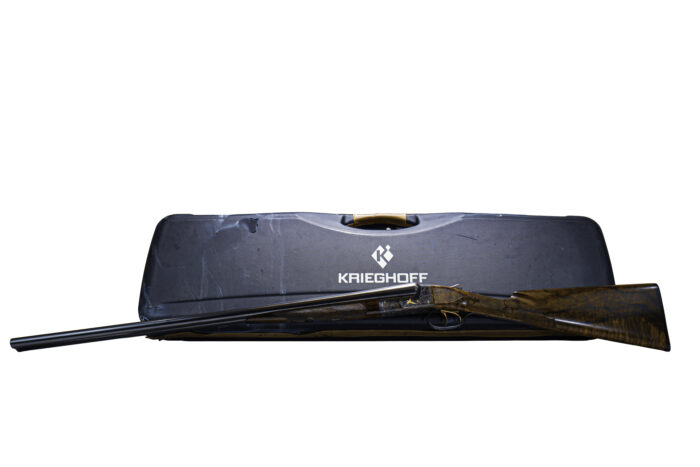






The Southern United States is steeped in the rich traditions of quail hunting, a pursuit that transcends mere sport. Quail camps are more than places to hunt; they are gatherings where stories are passed down, skills are honed, and bonds are forged. These camps embody a way of life that reflects respect for nature, camaraderie among hunters, and a commitment to conservation. This article explores the cultural and culinary aspects of quail camps, shares the wisdom of veteran hunters, and underscores the importance of preserving these traditions through habitat conservation and organizations like Quail Forever.
The Cultural Significance of Quail Camps
Quail hunting camps in the South are deeply rooted in regional culture, blending sport, tradition, and community.
- A Legacy of Stewardship and Sport
- Quail hunting has long been a cornerstone of Southern identity, celebrated for its refinement and reliance on skill.
- Camps often operate as multigenerational hubs, where grandparents teach grandchildren the art of the hunt and the values of patience, respect, and responsibility.
- Historical Context:
- In the early 20th century, quail hunting became popular among Southern landowners who managed their properties for both agriculture and hunting.
- These traditions have persisted, with modern quail camps serving as a bridge between the past and the future.
- Camaraderie and Tradition
- Quail camps are as much about fellowship as they are about the hunt.
- Days begin with early-morning coffee around the fire and end with shared meals featuring game harvested that day.
- Storytelling is a revered part of camp life, with tales of memorable hunts, clever dogs, and near-misses passed down through the years.
- Veteran Insight:
- “Quail camps aren’t just about shooting birds—they’re about the bonds we form. It’s where family and friends reconnect, and memories are made,” says veteran hunter Thomas Caldwell of Georgia.
Culinary Traditions: From Field to Table
- Cooking as an Extension of the Hunt
- The culinary aspect of quail hunting is an integral part of camp traditions. Many camps take pride in preparing quail harvested that day, showcasing time-honored recipes.
- Classic Southern Quail Recipes
- Fried Quail: Lightly seasoned and fried to perfection, this dish is a camp favorite.
- Quail and Grits: A regional staple, pairing tender, roasted quail with creamy stone-ground grits.
- Smoked Quail: Slow-smoked over hickory wood for a rich, savory flavor.
- A Connection to the Land
- Preparing and sharing meals at camp reinforces the connection hunters feel to the land and the game they pursue.
- Hunters emphasize ethical harvesting, ensuring every bird is used to honor the hunt.
The Role of Habitat Conservation
The traditions of quail hunting are intrinsically linked to the health of quail populations and their habitats.
- Challenges Facing Quail Populations
- Over the past several decades, habitat loss due to urbanization and changes in agricultural practices has led to significant declines in quail numbers.
- “Bobwhite quail populations have declined by more than 85% since the 1960s,” according to a report by Quail Forever (Quail Habitat Report, 2022).
- Conservation Efforts by Quail Forever
- Mission: Quail Forever works to preserve and restore upland habitats, promoting sustainable hunting opportunities.
- Programs:
- The organization’s Farm Bill Biologist program collaborates with landowners to implement conservation practices that benefit quail and other wildlife.
- Educational initiatives teach hunters and landowners about habitat management.
- Veteran Insight:
- “Without groups like Quail Forever, these traditions would be at risk. They’re ensuring that future generations will have the same opportunities we’ve enjoyed,” says Caldwell.
- The Role of Hunters in Conservation
- Hunters play a critical role in conservation, funding habitat restoration through license fees, donations, and participation in programs like the Federal Duck Stamp initiative.
- Many quail camps actively manage their land to support wildlife, planting native grasses, controlled burning, and predator management.
Keeping Traditions Alive
- Mentorship and Education
- Quail camps are ideal settings for passing on knowledge to younger generations.
- Experienced hunters mentor newcomers, teaching them not just the skills of hunting but the values of conservation and ethical practices.
- Adapting to Modern Challenges
- While the essence of quail hunting remains the same, modern camps often incorporate technology like GPS tracking for dogs and advanced habitat management techniques.
- Social media and online communities have also become tools for hunters to share knowledge and inspire others.
- Honoring the Legacy
- Preserving quail hunting traditions is about more than just the hunt—it’s about maintaining a way of life that respects nature and cherishes camaraderie.
- “Every time we take the field, we’re honoring the generations before us who did the same,” says Susan Marks, a long-time quail hunter from Alabama.
Quail camps are the heart and soul of upland hunting in the South, where the pursuit of game birds intersects with family, friendship, and tradition. These gatherings are more than a celebration of sport; they are a testament to a way of life that values stewardship, connection to the land, and the shared experiences that define the hunting community. As hunters continue to mentor the next generation and support conservation efforts, they ensure that the heritage of America’s Southern coveys will endure for years to come.
References
- Caldwell, Thomas. Personal Interview. Conducted December 2023.
- Marks, Susan. Personal Interview. Conducted December 2023.
- Quail Forever. Quail Habitat Report, 2022, www.quailforever.org.
- “Preserving Southern Hunting Traditions.” Field & Stream, 2021, www.fieldandstream.com.
- “Conservation and Culture: The Role of Upland Hunters.” Shooting Sportsman, 2020, www.shootingsportsman.com.